
Yemeni Music

Yemeni Music: Ancient Poetry, Mountain Melodies, and Living Tradition


Music in the Republic of Yemen is among the oldest and most distinctive in the Arab world. Rooted in ancient poetry, regional diversity, and centuries of cultural continuity, Yemeni music is intimate, melodic, and deeply expressive. It preserves history through sound—linking mountain villages, desert routes, and coastal ports to a shared cultural memory that remains alive today.
Ancient Roots: Poetry as Music

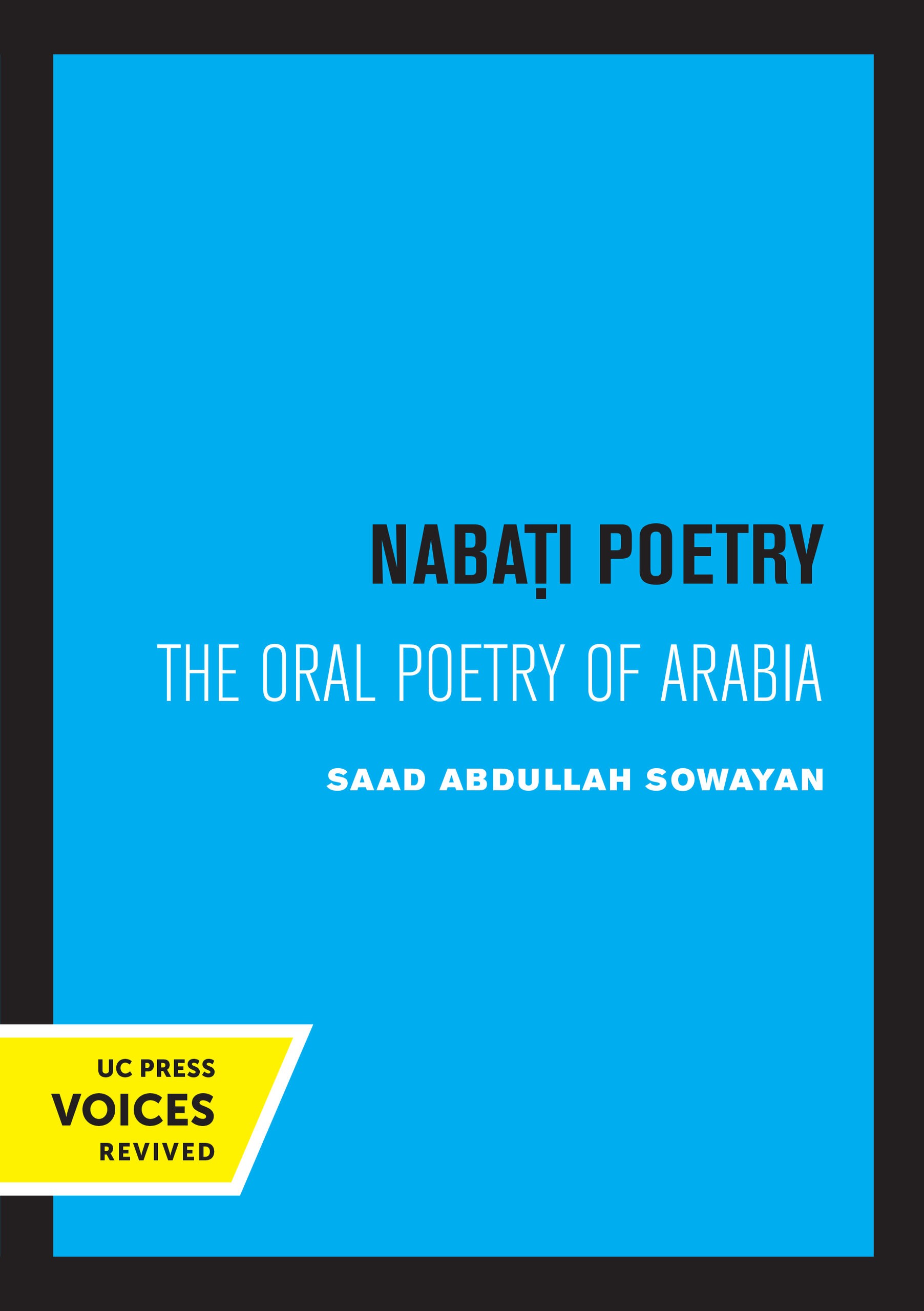

At the heart of Yemeni music lies poetry. Yemen is renowned for one of Arabia’s oldest continuous poetic traditions, where verse served as history, philosophy, and social record. Poems are sung or chanted, often in local dialects, with melodies that emphasize emotion and meaning over ornamentation. This fusion of poetry and song forms the backbone of Yemeni musical identity.
Regional Styles and Musical Diversity


Yemeni music varies strongly by region, reflecting geography and history:
-
Ṣanʿānī (Sanaani) music – Considered the classical style, known for refined melodies and poetic depth, centered in Sana’a
-
Hadrami music – Rhythmic and lyrical, influenced by Indian Ocean trade and diaspora connections
-
Coastal styles (Aden, Tihama) – Feature African-influenced rhythms and dance traditions
-
Highland music – Slower, introspective melodies shaped by mountain life
Together, these styles create one of the most regionally rich musical landscapes in Arabia.
Traditional Instruments


Yemeni music is typically performed with a small ensemble or solo accompaniment. Key instruments include:
-
Qanbūs (qanbus) – A short-necked lute unique to Yemen and a symbol of its musical heritage
-
Oud – Widely used for melodic expression and vocal accompaniment
-
Percussion – Simple hand drums that provide gentle rhythmic support
The restrained use of instruments highlights the importance of voice and poetry.
Song Themes and Cultural Expression
Yemeni songs explore themes of love, longing, exile, wisdom, faith, and homeland. Many compositions reflect the experience of migration and separation, particularly in Hadrami traditions shaped by centuries of travel and diaspora. Music serves as emotional expression and social commentary, connecting individuals to family, land, and memory.
Music, Dance, and Community Life


Music accompanies major life events in Yemen—weddings, festivals, and social gatherings. Traditional dances such as Baraa combine rhythmic movement, poetry, and music, symbolizing strength, honor, and unity. Performances are communal, reinforcing social bonds and shared identity.
Islamic Influence and Vocal Tradition
Religious chanting and Quranic recitation have shaped Yemeni musical sensibility, emphasizing melody, rhythm, and spiritual reflection. While instrumental music is limited in religious contexts, vocal performance remains central, influencing the structure and tone of secular music as well.
Modern Yemeni Music and Preservation

Modern Yemeni musicians continue to preserve classical forms while adapting them for contemporary audiences. In Yemen and across the diaspora, artists record, teach, and perform traditional repertoires, ensuring survival amid modern challenges. New interpretations blend heritage with subtle modern influences while maintaining authenticity.
Music as Identity and Resilience
Yemeni music is a voice of endurance. Despite hardship, it remains a powerful vessel of identity, memory, and pride. Passed down through generations, songs continue to connect Yemenis to their history, language, and homeland—wherever they may be.
Conclusion
Yemeni music is one of the Arab world’s most ancient and expressive traditions. From poetic Sanaani melodies and Hadrami rhythms to communal dances and modern preservation efforts, it reflects a civilization shaped by history, landscape, and resilience. Deeply rooted yet living and adaptable, Yemeni music remains a profound expression of Yemen’s cultural soul.
If you’d like, I can add a focused section on instruments, create a shorter landing-page version, or prepare matching articles on Yemeni cuisine or poetry in the same style and structure.