Yemen: Ancient Civilization and Modern Life, History, and Culture
The Republic of Yemen is one of the oldest centers of civilization in the Arab world. Often described as Arabia Felix (Happy Arabia) in classical sources, Yemen’s history stretches back thousands of years. From powerful ancient kingdoms and legendary trade routes to resilient modern communities, Yemeni life and culture reflect endurance, creativity, and deep attachment to heritage.
Geography: Land of Mountains, Deserts, and Seas
Yemen’s geography is among the most diverse in the Arabian Peninsula. High mountain ranges, fertile terraced highlands, vast deserts, and long coastlines along the Red Sea and Arabian Sea shaped settlement and lifestyle. The island of Socotra stands out globally for its unique ecosystem and ancient human presence.
This varied landscape encouraged agriculture, trade, and self-sufficient communities long before modern times.
Ancient Yemen: Kingdoms and Trade Empires
Yemen was home to some of the most powerful ancient civilizations of Arabia. Kingdoms such as Saba, Qataban, Hadramawt, and Himyar controlled the lucrative incense and spice trade routes linking India, Africa, and the Mediterranean.
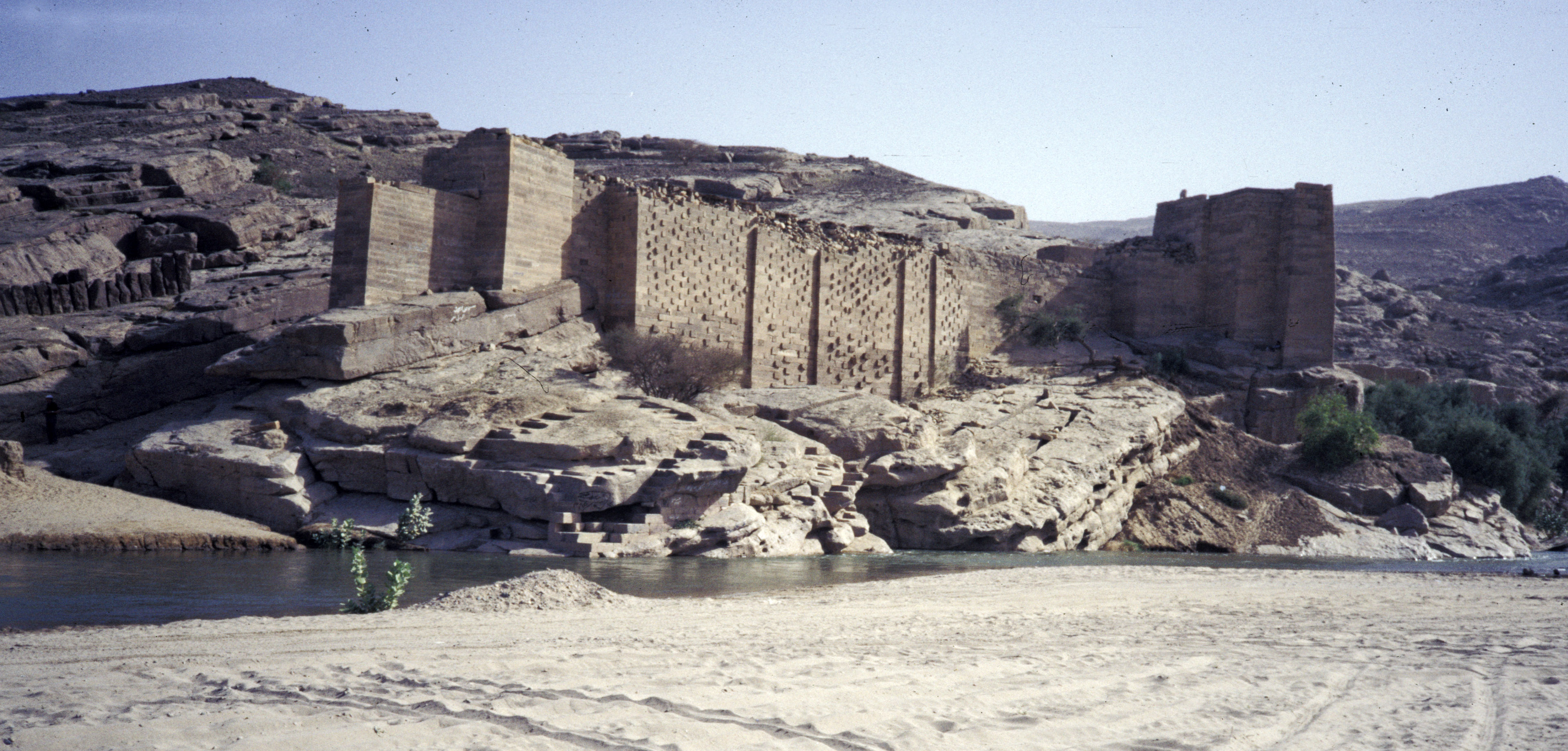
The legendary Marib Dam stands as a symbol of advanced engineering and agricultural prosperity. Ancient inscriptions, temples, and cities reveal a highly organized society with writing, law, and international trade.
Islamic Era and Cultural Continuity
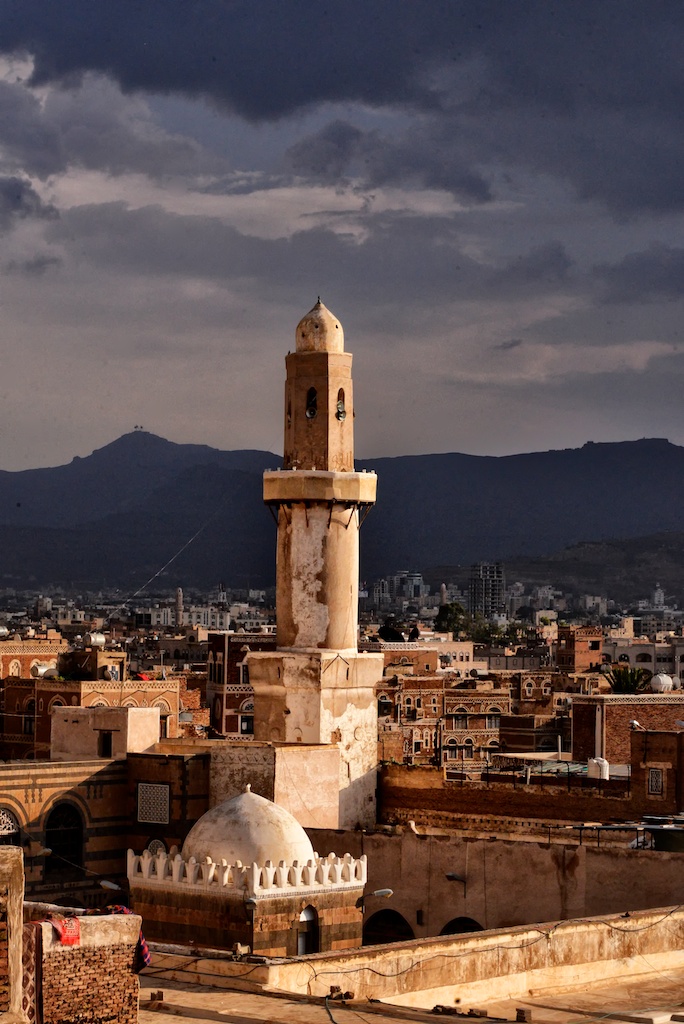
Yemen embraced Islam peacefully during the lifetime of the Prophet Muhammad. Cities such as Sana’a and Zabid became centers of Islamic scholarship, architecture, and trade.
Traditional mud-brick tower houses, decorated with white gypsum patterns, define Yemeni urban architecture and remain among the most distinctive in the Islamic world.
Traditional Yemeni Life and Social Values
Traditional Yemeni life is centered on family, tribe, and community. Hospitality is deeply valued, expressed through shared meals, coffee, and tea. Social gatherings—often centered around poetry, conversation, and qat chewing—play a significant role in community bonding.
Traditional dress, craftsmanship, silver jewelry, and daggers (jambiya) remain strong symbols of Yemeni identity.
Arts, Poetry, and Music
Yemen is famous for its poetry, regarded as one of the oldest continuous poetic traditions in Arabia. Yemeni music is melodic and poetic, often accompanied by the oud and percussion. Songs frequently reflect themes of love, homeland, wisdom, and social values, preserving history through oral tradition.
Cuisine and Cultural Expression
Yemeni cuisine reflects agricultural heritage and regional diversity. Dishes such as saltah, mandi, and fahsa emphasize fresh ingredients, slow cooking, and shared dining. Coffee has special cultural significance—Yemen is historically linked to the global spread of coffee from the port of Mocha.
Modern Yemeni Life
Modern Yemeni life continues despite significant challenges. Education, family solidarity, and cultural pride remain strong. Yemenis maintain traditions while engaging with modern technology, media, and global connections. Community resilience and attachment to heritage define contemporary Yemeni identity.
Culture of Resilience and Identity
Yemen’s culture is rooted in endurance. Across centuries of change, Yemeni society preserved language, architecture, poetry, and social customs. Tribal values coexist with Islamic principles and regional diversity, forming a complex and deeply rooted national identity.
Conclusion
Yemen is a land of profound historical depth and living culture. From ancient kingdoms and legendary trade routes to distinctive architecture, poetry, and modern community life, Yemen represents one of the most continuous civilizations in the Arab world. Despite modern challenges, Yemen’s cultural heritage and social values endure—testament to a people shaped by history, land, and resilience.
If you’d like, I can shorten this for a homepage, add a historical timeline, or create separate Yemen articles on landmarks, music, or cuisine that match the same style and structure.