Select Page

Tunis Cuisine

Tunisian Cuisine: Spice, Tradition, and Mediterranean Soul

https://images.openai.com/static-rsc-3/ne4-LsmH8uULyL87IMLYFl6wu1zYEvAx2KM_ccP-UmVUcZ8hndeo_2kPEBzDQ1ZVMKoCf-VZMS__lzX_QFOTdULo6Rq3b8raRV1o24Si0uk?purpose=fullsize
https://images.openai.com/static-rsc-3/2tyGUrrJfUMwtJLruODGXpSVX2ZYZX8dDgwThc7N_zMs-z5AnObJcsCflD8gU-sfcEaTUW8UNNRB8rhL07TDxRCUHi8jAbSZHmdheEIkS2Y?purpose=fullsize
https://images.openai.com/static-rsc-3/i3gMFQcH2qCOSz9OICDYGl_K9lN27FubKxlv1kG58uTnAHgy_FS-hlT8WXQUW5KgIzleTwRKTgNtigLj2NIMp42ven_LOIOoc8zyWPPGubQ?purpose=fullsize
4

Cuisine in Tunisia is a vibrant expression of history, geography, and cultural exchange. Influenced by Amazigh, Arab, Ottoman, Andalusian, African, and Mediterranean traditions, Tunisian food is known for its bold flavors, generous use of spices, and deep connection to family and community life.


Historical Roots of Tunisian Food

Tunisian cuisine evolved over thousands of years as civilizations passed through the region. Ancient Carthaginians, Romans, Arab settlers, and Ottoman rulers each left their mark. The introduction of olive oil, wheat, spices, and later chili peppers shaped a culinary identity that is both ancient and constantly evolving.

The fertile north, long Mediterranean coastline, and desert south created diverse regional food traditions—combining agriculture, fishing, and pastoral life.


Harissa: The Heart of Tunisian Flavor

https://images.openai.com/static-rsc-3/2zlm9oqYfHBxfY_WJwxTbwmHxFaNIP32G4PaSBtb7VTfNSWuwbVsKELVBtzFaTyR9VOpSC6JOx5y2vhaS6DL0QdLKd5O9obEFN0BR8WVUjc?purpose=fullsize
https://images.openai.com/static-rsc-3/k3wbij28lcwzWGFz5EHkp5gT3ehY65I1tASLSNw-K_ZQ9oZr2b_Rt0N6bijNhwh3zzxd_kR7_UBwr6HmoItcllFtImaERCA1NkdnhqKdGq4?purpose=fullsize
https://images.openai.com/static-rsc-3/878q5T9xF8G7HVI_XQ5_FGBdUdtnyQGLYZnTqVkho_oSQlbJUl0x4oA2DV61-CTwUdnaa1lc-d8l_cYT3mbrxxBryjuc5s3_jJglreVWClI?purpose=fullsize

Harissa, a fiery paste made from chili peppers, garlic, olive oil, and spices, is Tunisia’s most iconic ingredient. It is used as a condiment, cooking base, and table staple, symbolizing Tunisian cuisine’s love for heat and depth of flavor. Every household has its own variation, passed down through generations.


Staple Dishes of Tunisia

https://cdn.prod.website-files.com/61533738c22cda0dc0322df5/644ef0b0b69581856253e8fb_how_to_cook_tunisian_couscous.jpeg
https://images.openai.com/static-rsc-3/tyY5kX9itlYbywhgpCLxiojUI--zg9p9JDdxyDFGOtiCE4Oi1nrhfAuKZmyj_spORGWCWJrPxf1InEMUGSWLGUKQr0YIDMN3qGy65bNphwU?purpose=fullsize
https://images.openai.com/static-rsc-3/v8JPkhelrZ2lumhhledBUeLt3fTOOHf7EIlPrlpxor92L50Js-efi1zu1GvwaY-NwdHilDd9_nUsZ29rC-Vb7OeMw77JWNE__doLdPP-AJ0?purpose=fullsize
4
  • Couscous – The national dish, often served with lamb, fish, or vegetables, flavored with spices and harissa

  • Brik – A thin, crispy pastry filled with egg, tuna, or minced meat

  • Ojja – Eggs poached in a rich tomato, pepper, and spice sauce

  • Lablabi – A hearty chickpea soup eaten especially in winter and late evenings

These dishes reflect the balance between simplicity, spice, and nourishment in Tunisian cooking.


Seafood and Coastal Cuisine

https://images.openai.com/static-rsc-3/5aynsz5OV4klhuxrIXJ5g8Np-vI1sGSVZgGJH-7VATzBscO_dPekEi46tKRjJNzhLPcldZQSfIDP12F6TrA9Elk9OHJayKmBmpzbuy47n2s?purpose=fullsize
https://images.squarespace-cdn.com/content/v1/56801b350e4c11744888ec37/1463352382865-YR9OIWD1HD90OOW8I5A8/ke17ZwdGBToddI8pDm48kOouuPCRmzCdud9lOgByk8N7gQa3H78H3Y0txjaiv_0fbyZsZK0iGMwrOCjzngNk8T7ghaQoK7dSfFy1tH-FokfQ_eK606QZwbH4tS9TuXEEUB8jTqgVFBLQw7EVqyS05ktJPZ5nzlpAQ9l-HYKRq6WI9V9z3Ko-OV5Y0r1p6v5NPjtzDFytq79Ao4thRZQpLw/Habib%27s%2Bbouri%2Bde%2BBizerte%2B%28Tunisian%2Bbranzino%29?format=750w
https://images.openai.com/static-rsc-3/Ns4vpkpesEe2LFCti0_iFszktPcYv9zSFDIcUry0xAFZORZpAIvEv5oemeCtVbcLPBuJkb145xlmKwcnBeNC6HzXNqHHbxJaFFYzNfdRE0s?purpose=fullsize

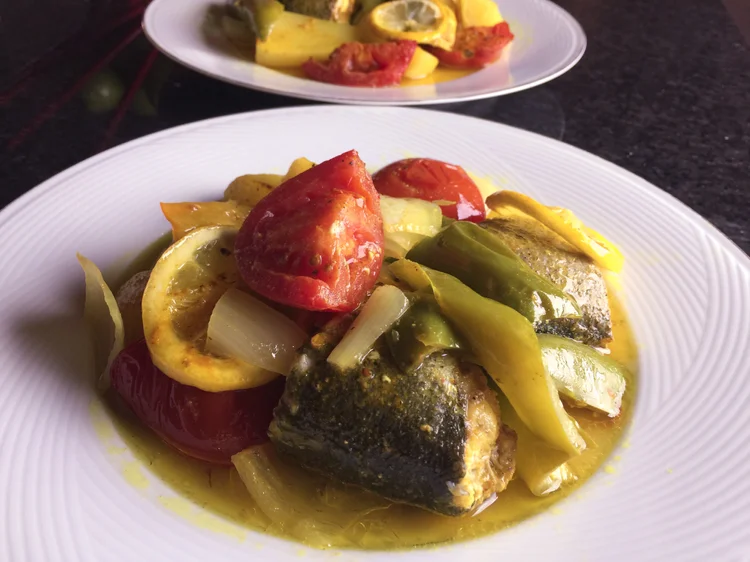
Along the Mediterranean coast, seafood plays a major role. Grilled fish, octopus, shrimp, and calamari are seasoned with garlic, cumin, coriander, and harissa. Coastal cities are especially known for spicy fish couscous and seafood stews influenced by centuries of maritime trade.


Bread, Olive Oil, and Daily Eating

https://images.openai.com/static-rsc-3/DRNa4Jc0kwbLqRa2rKDlGJ56e-vhjhjkj5gWherT_-KtFDTOqEhvWHXf-UZF5XOh23kFUCE65CA6tpPlE7yBwqESMtj9L41sepQAGOhKBwY?purpose=fullsize
https://images.openai.com/static-rsc-3/SIrdxiF93u-yZmJ8etnsOe__jJYJD07TEl2mZBAiZZcSXTM5ha8R3gX1kmoDBqGUOMSZ6jfAUd42t6yzWBzjsoquJHnNpo0KcuL-2Rs5Ysk?purpose=fullsize
https://images.squarespace-cdn.com/content/v1/580bb690d1758e509eb28292/1520791393661-5V4OG44TFQN8R83C1UVZ/%25Rx01J8ORZ2g2rNfQMaVew.jpg

Bread (khobz) is central to every Tunisian meal, often used instead of utensils. Tunisia is one of the world’s major olive oil producers, and high-quality olive oil is used generously for cooking, dipping, and seasoning—forming the backbone of daily cuisine.


Sweets and Desserts

https://images.openai.com/static-rsc-3/SC3ZUNTazzW75sMEkEYH3jsb0J2sY-kkXGKM878wrEz0wVFcB2c4Pt58b0ZA6c23VI7ualJMpwvt9_3HBNH0jxsgeXjzchkqs5Q1VPKYAok?purpose=fullsize
https://images.openai.com/static-rsc-3/9f9VZUepMvF39ukqcuDt50WRNDve8EbKXgsffLCK2FUZanX09mf96BJ_gNVibi3iH42OEgS5KFTDu-WEw-uuxAmNK4IqDrEhKMO-IUXNico?purpose=fullsize
https://www.masmoudigourmet.com/cdn/shop/articles/post_facebook_fr.jpg?v=1675808566&width=1024

Tunisian desserts are rich and aromatic, often made with dates, nuts, honey, and orange blossom water. Popular sweets include makroudh (date-filled semolina pastries) and Tunisian-style baklava, especially enjoyed during celebrations and religious holidays.


Cuisine in Modern Tunisian Life

https://i.guim.co.uk/img/media/71a846e3a1d88d9609db3187fcd43a674f8bb8dd/0_0_6000_4000/master/6000.jpg?crop=none&dpr=1&s=none&width=445
https://cdn.prod.rexby.com/image/f085bf1c0160471e9b4ba95e6d78e962?format=webp&height=1350&width=1080
https://www.top25restaurants.com/media/img/2025/03/la-salle-a-manger-tunisia-africa-best-restaurants.jpg

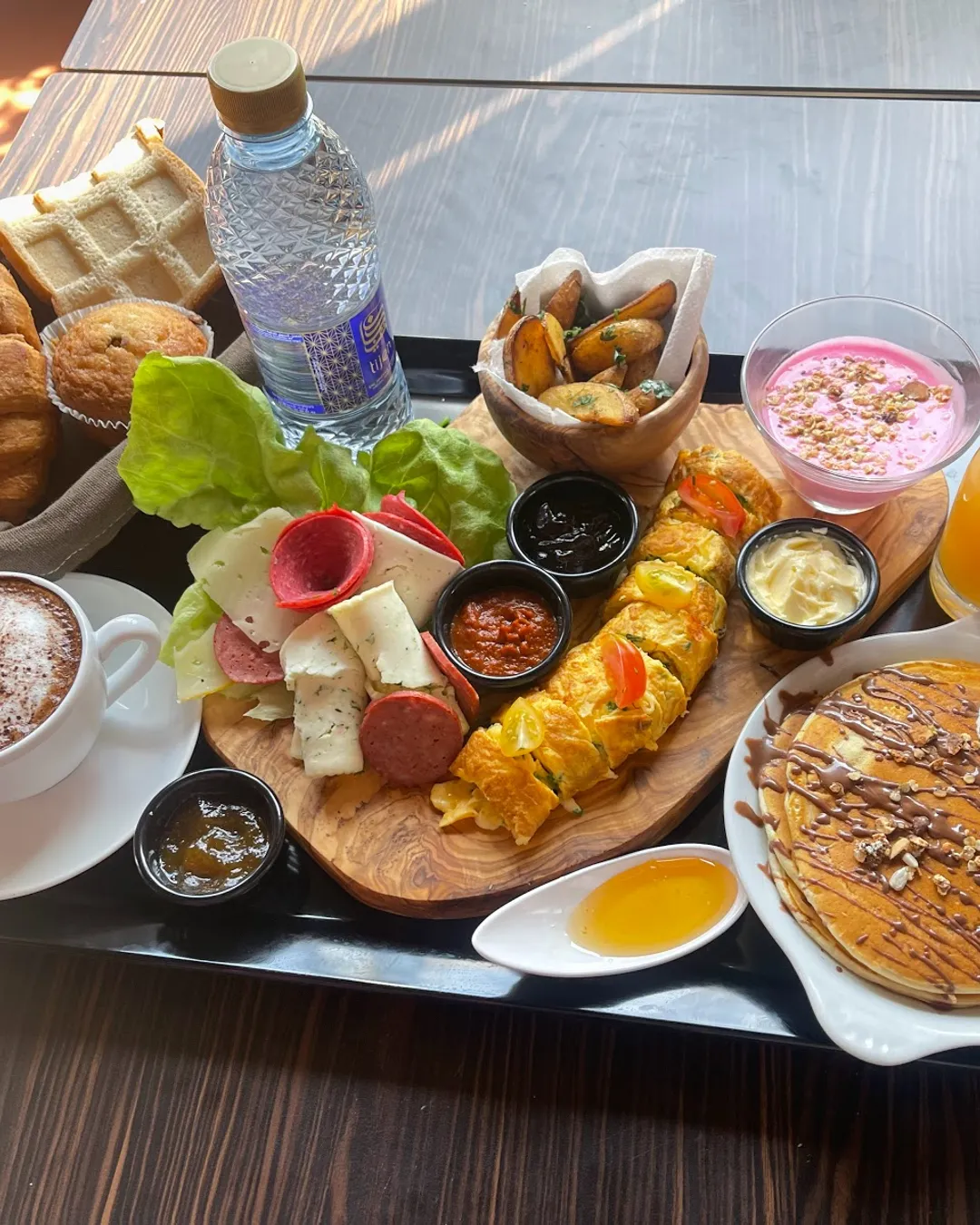
In modern Tunisia, cuisine remains deeply social. Meals bring families together, cafés serve as gathering places, and street food plays a vital role in daily life. Contemporary chefs are reimagining traditional dishes with modern presentation while preserving authentic flavors.


Conclusion

Tunisian cuisine is bold, generous, and deeply rooted in history. From the fiery kick of harissa to the comforting warmth of couscous and lablabi, every dish tells a story of land, sea, and cultural exchange. It is a living heritage—shared at family tables, celebrated in festivals, and proudly carried into modern Tunisian identity.

If you’d like, I can shorten this for a food website, add a regional dishes section, or create matching cuisine articles for other Arab and Maghreb countries.