Music of Saudi Arabia: Tradition, Rhythm, and Modern Identity
Music in Saudi Arabia reflects the Kingdom’s rich cultural diversity and deep-rooted traditions. Shaped by Bedouin poetry, regional folk practices, Islamic heritage, and contemporary global influences, Saudi music connects the rhythms of the desert with modern artistic expression. It plays a central role in social life, celebrations, and cultural identity.
Historical Roots of Saudi Music
Saudi musical traditions grew from oral poetry, tribal gatherings, and religious life. For centuries, music accompanied storytelling, celebrations, and communal events, often performed without formal notation and passed down by memory. Rhythm and poetry were central, reflecting the Bedouin heritage of the Arabian Peninsula.
Folk Music and Regional Styles
Saudi Arabia’s music varies widely by region:
-
Najd – Known for poetic songs and rhythmic percussion tied to tribal life
-
Hijaz – Influenced by pilgrimage and Red Sea trade, featuring melodic diversity and international elements
-
Southern regions (Asir and Jazan) – Characterized by energetic rhythms and communal dances
-
Eastern Province – Shows Gulf and maritime influences
Each style reflects local history, environment, and social customs.
Ardah: The National Dance
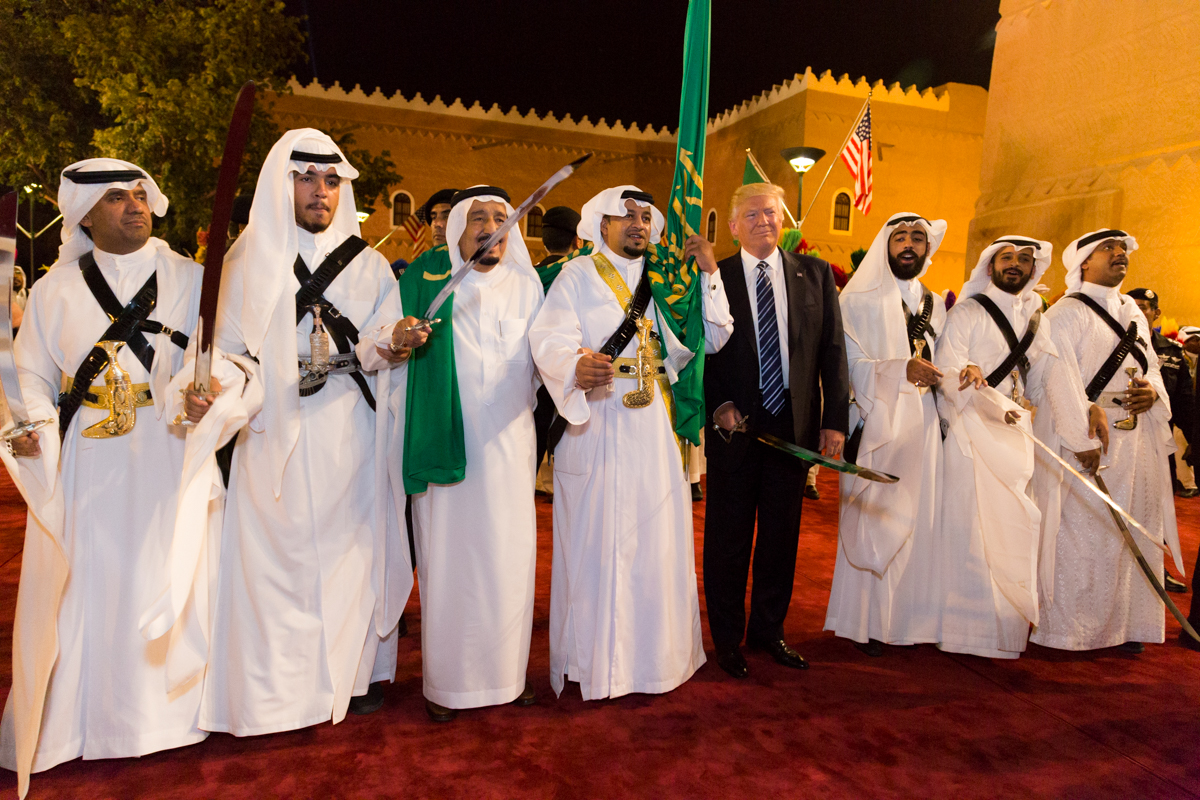
The Ardah is Saudi Arabia’s most iconic musical and cultural expression. Traditionally performed before battles and now at national celebrations, it combines poetry, drumming, chanting, and synchronized movement. Ardah symbolizes unity, strength, and national pride and is recognized as an important cultural heritage tradition.
Traditional Instruments
Saudi music features a range of traditional instruments, including:
-
Oud – Central to melodic expression
-
Rababa – A single-string fiddle used in Bedouin music
-
Tabl and daff – Percussion instruments driving rhythm
-
Mizmar – Used in energetic folk dances, especially in western regions
These instruments create music that is rhythm-focused and communal.
Religious and Spiritual Music
Religious vocal traditions, including nasheed and Quranic recitation, play a significant role in Saudi culture. While instrumental music is limited in religious contexts, vocal performance emphasizes melody, rhythm, and spiritual reflection, shaping the Kingdom’s broader musical sensibility.
Modern Saudi Music Scene
In recent years, Saudi Arabia’s music scene has expanded rapidly. Pop, hip-hop, electronic, and alternative genres are gaining prominence, especially among younger generations. Cities like Riyadh and Jeddah have become centers for live performances, festivals, and music production.
Saudi artists increasingly blend traditional rhythms and Arabic melodies with global styles, creating a distinct modern sound.
Music in Daily and Cultural Life
Music accompanies Saudi life through weddings, national celebrations, festivals, and social gatherings. With the growth of cultural initiatives and entertainment venues, music has become more visible in public life while continuing to respect cultural values.
Music as Identity and Expression
Saudi music reflects balance—between heritage and innovation, tradition and modernity. It preserves ancient poetic and rhythmic forms while embracing contemporary creativity, offering insight into a society in cultural transformation.
Conclusion
Music in Saudi Arabia is both deeply traditional and rapidly evolving. From Bedouin poetry and regional folk rhythms to the national Ardah and modern genres, it tells the story of a land rooted in history yet open to artistic growth. As Saudi Arabia’s cultural scene expands, its music continues to express identity, unity, and creative ambition.
If you’d like, I can shorten this for a cultural landing page, add artist and instrument spotlights, or create matching music articles for other Gulf or Arab countries with the same tone and structure.