Select Page

Bahrain Landmarks

Landmarks of Bahrain: Ancient Civilizations, Maritime Heritage, and Modern Icons

https://i.etsystatic.com/46634084/r/il/1c29d5/5274638124/il_570xN.5274638124_cg3k.jpg
https://images.openai.com/static-rsc-3/C6v7h6WGdngf5l8quztyy8gbDRUsiy88Y_1373uyy2PexzfF0y9JExnDEbsjIQcsaNL-ZaWgkaYvKhYeuCFblJn1fH_ZG2ZsV3vD5juuuxE?purpose=fullsize
https://images.openai.com/static-rsc-3/AG53LKb6GqHwnFbHwwZYVYP-qbj20v__6uKAZmGBVsHY1z7-1kcXbb0RIygHhLct0nyd771kaYNvzrJvaFHYYHgyxadsDbdtZq5XT2arvNc?purpose=fullsize
4

The landmarks of the Kingdom of Bahrain reflect one of the richest and oldest cultural landscapes in the Arabian Gulf. Though small in size, Bahrain has played a major historical role as a center of ancient civilization, maritime trade, and cultural exchange. From Bronze Age settlements and pearling towns to modern architecture, Bahrain’s landmarks tell a story of continuity, resilience, and openness.


Qal’at al-Bahrain: Capital of Ancient Dilmun

https://images.openai.com/static-rsc-3/C6v7h6WGdngf5l8quztyy8gbDRUsiy88Y_1373uyy2PexzfF0y9JExnDEbsjIQcsaNL-ZaWgkaYvKhYeuCFblJn1fH_ZG2ZsV3vD5juuuxE?purpose=fullsize
https://images.openai.com/static-rsc-3/WuTLeU_3wjlXq1_Qww4ZDig5tiag6PnY6ProHncGWAUi79Cks69nL0M-UN5PgWup6Zb3dc23GF6UqQaClEpQJA7J5kw2noXZ7BoJb1XoFU0?purpose=fullsize

Qal’at al-Bahrain, also known as Bahrain Fort, is the country’s most important archaeological site and a UNESCO World Heritage Site. It was once the capital of the ancient Dilmun civilization, mentioned in Mesopotamian texts over 4,000 years ago. The site reveals layered history—from Dilmun and Tylos to Islamic periods—highlighting Bahrain’s long role in regional trade and governance.


The Burial Mounds of Bahrain

https://images.openai.com/static-rsc-3/HM-9UMFtI0mZOpnN6iMh86P3C5odp778tpRaZyfW-9YvULQzKDAR0lPLXKWLro0gOR_QXMH5mCHK3w40Ur7aFHVMujoAWpbppA7YdnFuMNc?purpose=fullsize
https://images.openai.com/static-rsc-3/gEqlwwYLErYWcmDQ0V_yFSipkdbsvAyBDW-rhtoyCoCmkwpC0wEGPVziP72DCI-9NpQPb4LRCq0s9Ph3Y9wP1XZIM4WMP8wABEyqTYBq8ro?purpose=fullsize
https://cloudfront-eu-central-1.images.arcpublishing.com/thenational/LW7ETUCB4X7HX3YT6TDKHYH5RU.jpg

Bahrain is home to the largest concentration of ancient burial mounds in the world. Dating back to the Dilmun era, these thousands of mounds demonstrate a complex and prosperous ancient society with organized beliefs about death and the afterlife. They are among Bahrain’s most distinctive archaeological landmarks.


The Pearling Path of Muharraq

https://cdn.mos.cms.futurecdn.net/tgiHuazHXDSPeAxfRSPrjR.jpeg
https://images.openai.com/static-rsc-3/er_mySfHlTVuD-_5I02JRe5OYXWbfpkxTK0RGZu9IwhCXyv96MOJY6of55h1v1QYHNgI6Tt2BNNmVx8-FKQNgcjTm8N-zwIb6GM5Y05TKzs?purpose=fullsize
https://www.stripes.com/incoming/addo3a-100524wkqt-soukphoto11.jpg/alternates/LANDSCAPE_910/100524wkQT-SOUKphoto11.jpg

The Pearling Path in Muharraq is a UNESCO World Heritage Site that preserves Bahrain’s pearling heritage. The path connects historic houses, warehouses, docks, and coastal sites that tell the story of Bahrain’s once-dominant natural pearl industry, which shaped its economy, music, and social life for centuries.


Al-Fateh Grand Mosque

https://images.openai.com/static-rsc-3/nx6mW7AFUVAQJyuHfSav5LXfqNyip4fLAPI3snzsCLzlfvkgbxHPLzYBG_laglVy3-9dTVpantlDIUUfa7JEpem1G1Kxu6SYTgZZaXq3S4U?purpose=fullsize
https://images.openai.com/static-rsc-3/xTO8TqYhIo3gYoNBDub-ppcFJ_a-ZCpb677rsJpbGa3uYNiW5UTcCRJTHwVcn5hT-a3ft4uoD_9xGdD3YTmnDwztjNSwTbNyRLRBrthdKIU?purpose=fullsize
https://www.constructionweekonline.com/cloud/2024/09/12/BNN-BH04Updated_2.jpg

The Al-Fateh Grand Mosque in Manama is one of the largest mosques in the world. Built using materials from across the globe, it represents modern Islamic architecture while remaining rooted in traditional design. The mosque is also a center for religious learning and cultural dialogue.


Manama: Capital of Heritage and Modernity

https://images.openai.com/static-rsc-3/AG53LKb6GqHwnFbHwwZYVYP-qbj20v__6uKAZmGBVsHY1z7-1kcXbb0RIygHhLct0nyd771kaYNvzrJvaFHYYHgyxadsDbdtZq5XT2arvNc?purpose=fullsize
https://images.openai.com/static-rsc-3/3D4_hxDY62tNGVZJCfpYRGctj8V4qx9LmMeuZqwUk1GRTqSa6nPdLuqciLxwQvFz7pRhfTOh4fDvx2EDwe5YC4noXh-TNeOFAteAI5_NMsY?purpose=fullsize
https://upload.wikimedia.org/wikipedia/commons/f/fc/Bab_al_Bahrain_alley.jpg

The capital city, Manama, blends historic and contemporary landmarks. Bab Al Bahrain marks the entrance to traditional souqs, while modern structures such as the Bahrain World Trade Center reflect Bahrain’s role as a regional financial and commercial hub.


Arad Fort: Coastal Defense

https://images.openai.com/static-rsc-3/FFlekS60IHT4J1AuycHtqb_VKnQ6qqX8qQ4wKS91oOHtOCaDFKp3-wgx8aNat5q787tTGqPNGtGbcs2TSuf3GlVhQNut3MzD6fO78sdowMU?purpose=fullsize
https://images.openai.com/static-rsc-3/ZxhR1fuBBkDFtpwb8LQVuiiQCeAQB7YFT7I4OKEXAZsSc7BD1jLsy4K419sLY0X4Z1ZgOsrGdVt9K7hSzaVDdK7lZkzIk2RH1yk5j5kTY68?purpose=fullsize
https://images.openai.com/static-rsc-3/ms1uqU8gZI8ZPecG0gMSrE9HvmCmWGuSc4W8I-bXwFskvp8p0QrEptCH1PHNZI9xbFXWTNPurU7b0DmW3PFzqLO3MHLyoGqtz_blig0XaL4?purpose=fullsize

Arad Fort is a 15th-century fortress located near Muharraq. Built to protect Bahrain from naval threats, the fort showcases traditional Gulf military architecture and highlights Bahrain’s strategic maritime importance.


Traditional Houses of Muharraq

https://shaikhebrahimcenter.org/app/uploads/2023/03/Sheikh_Ebrahim_Center_21-e1684611811177-789x1024-optimized.jpg
https://images.openai.com/static-rsc-3/lFzzMlg-tFsfa4S1l5NKhKXdPFrIYYdxGeeZjR5OyOAiqWIPdr6pOBXZFagm2NmOn1Dryyu0hYct4Dp2vhdHXvudFAXiUP3vQOkHcH-G3bU?purpose=fullsize
https://images.openai.com/static-rsc-3/wh3Xp3q3hjhMWnk__HuewOHfAsDYxJFfGvko4ygvVIakIL1fw3V3DRbani7oPX-XiXOMqUwlpfvuCJEDEyPB6Owcww_LWsukYW18z4550ZU?purpose=fullsize

Historic houses in Muharraq, such as the Shaikh Isa bin Ali House, illustrate traditional Bahraini architecture adapted to island life. Wind towers (badgir) provided natural cooling, while courtyards emphasized privacy and family life. These homes are vital landmarks of Bahrain’s social and architectural heritage.


Natural and Coastal Landmarks

https://i.dawn.com/primary/2017/06/592feb836074a.jpg
https://upload.wikimedia.org/wikipedia/commons/f/f0/Tree_of_Life%2C_Bahrain_-_%E0%B4%9C%E0%B5%80%E0%B4%B5%E0%B4%A8%E0%B5%8D%E0%B4%B1%E0%B5%86_%E0%B4%AE%E0%B4%B0%E0%B4%82%2C_%E0%B4%AC%E0%B4%B9%E0%B5%8D%E0%B4%B1%E0%B5%88%E0%B5%BB_01.JPG
https://tourismbh.com/uploads/five-top-beaches-to-enjoy-if-you-are-visiting-bahrain-blog/Marassi_Beach_Banner_New.webp

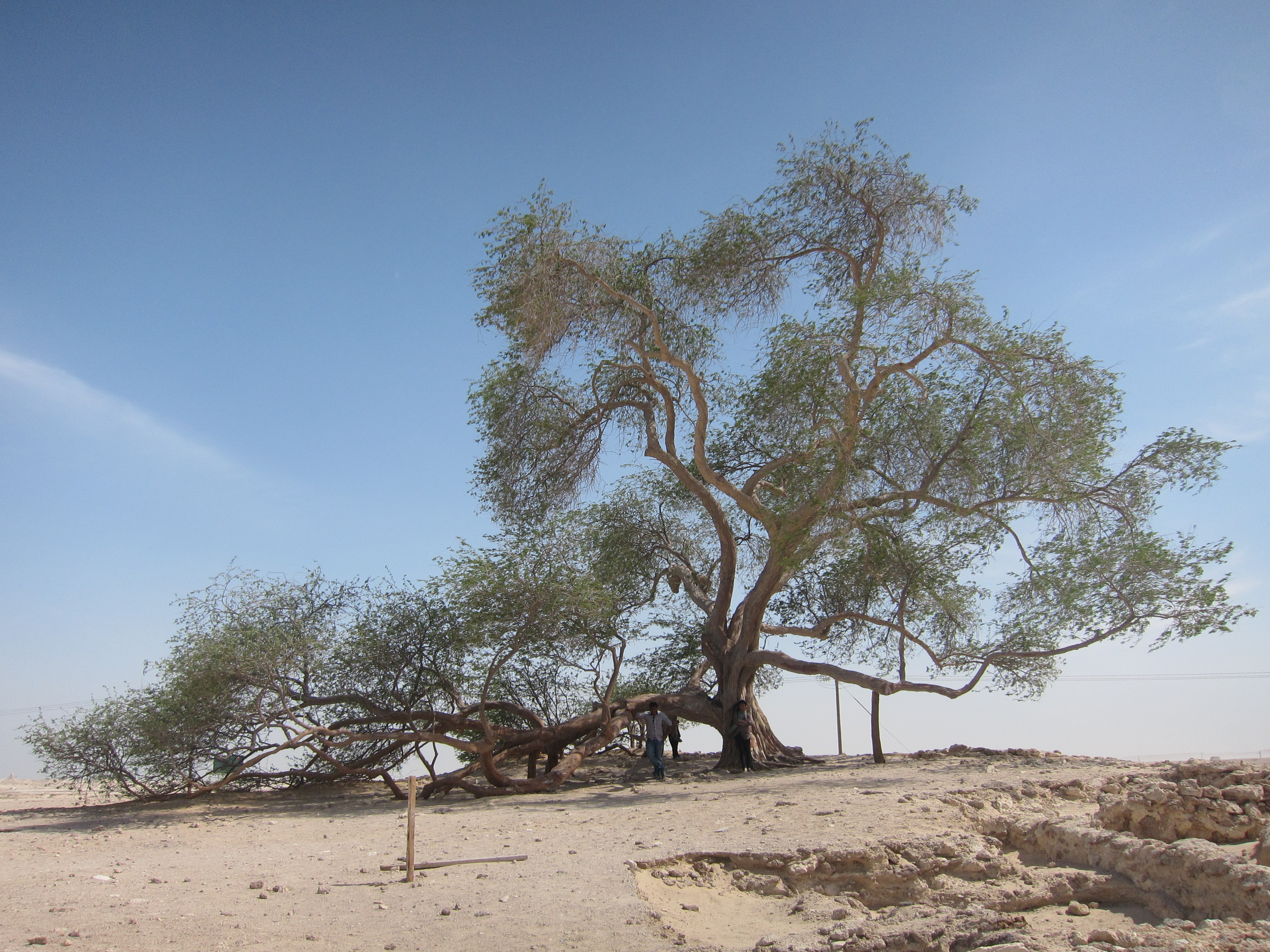
Among Bahrain’s most intriguing natural landmarks is the Tree of Life, a lone desert tree that has survived for centuries without an obvious water source. Bahrain’s coastline, reefs, and islands also reflect the deep relationship between the land, sea, and Bahraini identity.


Conclusion

Bahrain’s landmarks reveal a nation shaped by ancient civilization, the sea, and modern ambition. From Dilmun-era forts and burial mounds to pearling towns, mosques, and contemporary cityscapes, Bahrain offers a condensed yet profound journey through Gulf history. These landmarks preserve the memory of a society that has always thrived on connection, resilience, and cultural exchange.

If you’d like, I can shorten this for a tourism landing page, focus only on UNESCO World Heritage Sites, or create matching landmark articles for other Gulf countries with the same tone and structure.