
Kuwaiti Cuisine


Kuwaiti Cuisine: Desert Roots, Sea Harvests, and Gulf Hospitality


Cuisine in the State of Kuwait reflects a way of life shaped by desert resilience, maritime trade, and strong traditions of hospitality. Before oil, Kuwaiti food grew from fishing, pearling, trade caravans, and Bedouin survival cooking. Today, it remains deeply social—meant to be shared—and flavored by centuries of cultural exchange with Persia, India, East Africa, and the wider Arab world.
Historical Roots of Kuwaiti Food
Kuwaiti cuisine developed from necessity and openness. Desert communities relied on preserved foods, grains, and dates, while coastal towns depended on fish and trade. Merchants returning from long voyages brought rice, spices, and new techniques that blended naturally with local traditions.
As a result, Kuwaiti food is aromatic rather than spicy, rich but balanced, and built around communal meals.
Machboos: Kuwait’s Signature Dish


Machboos is the most iconic dish in Kuwaiti cuisine. Made with fragrant rice cooked in spices such as cardamom, cloves, cinnamon, and dried lime, it is served with chicken, lamb, or fish. Machboos is prepared for family gatherings, holidays, and guests, symbolizing generosity and togetherness.
Seafood and Coastal Traditions


The Arabian Gulf plays a central role in Kuwaiti cooking. Fish such as zubaidi (silver pomfret), hammour, and shrimp are grilled, fried, or cooked with rice. Seafood dishes are often light, seasoned simply to highlight freshness, reflecting Kuwait’s long maritime heritage.
Traditional Kuwaiti Dishes
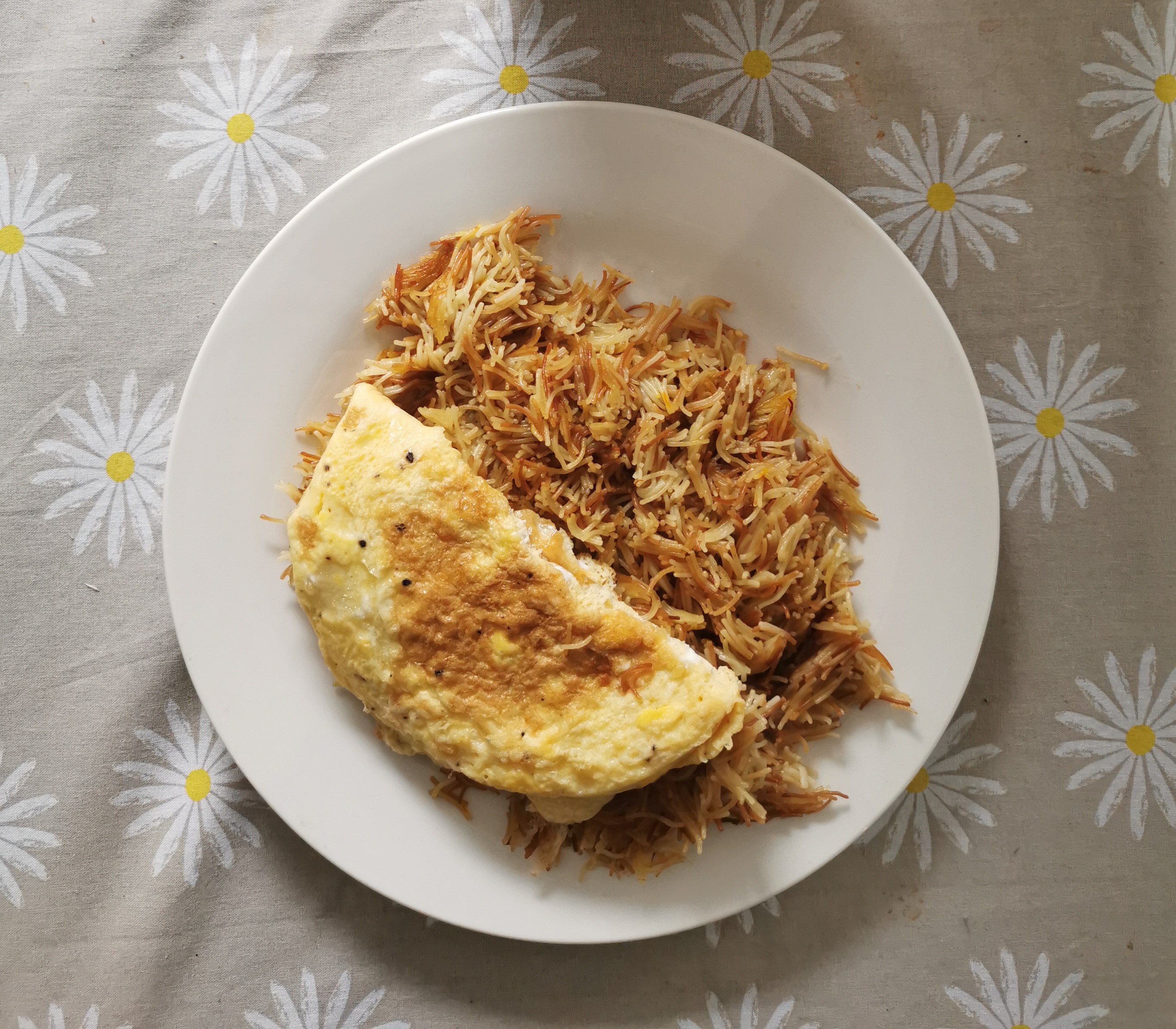


Beyond machboos, Kuwaiti cuisine features several beloved traditional dishes:
-
Balaleet – Sweet vermicelli flavored with sugar and spices, topped with a savory egg omelet
-
Muhammar – Sweet rice often served with fried fish
-
Jireesh – Cracked wheat cooked slowly with meat and spices
-
Ghoozi – Roasted meat served over rice for celebrations
These dishes reveal Kuwait’s fondness for sweet-and-savory combinations.
Bread, Dates, and Daily Meals


Flatbread accompanies most Kuwaiti meals and is used to scoop food rather than utensils. Dates are eaten daily and offered to guests as a sign of respect and welcome. Breakfasts are simple yet comforting, often including bread, eggs, sweet dishes, and tea.
Sweets and Desserts


Kuwaiti desserts are gently sweet and often date-based. Popular treats include date pastries, syrup cakes, and rice-based sweets. Desserts are commonly served during religious holidays, family visits, and celebrations, reinforcing hospitality and social bonds.
Coffee, Tea, and Hospitality


Hospitality is inseparable from Kuwaiti cuisine. Arabic coffee (gahwa), lightly spiced with cardamom, is served in small cups alongside dates. Tea—strong and often sweet—is equally popular, especially during long social gatherings and evening visits.
Cuisine and Social Life
Food is central to Kuwaiti social life. Family meals, religious holidays, and diwaniya gatherings revolve around shared dishes prepared in abundance. Recipes are passed down through generations, preserving memory and identity.
In Kuwait City, traditional Kuwaiti dishes are enjoyed alongside international cuisines, reflecting the country’s cosmopolitan character.
Modern Kuwaiti Cuisine


Today, Kuwaiti cuisine continues to evolve. Contemporary chefs reinterpret traditional dishes with modern presentation while honoring authentic flavors. Fusion cuisine blends Kuwaiti ingredients with global techniques, introducing local food to new audiences without losing its roots.
Conclusion
Kuwaiti cuisine is food of memory, hospitality, and balance. From fragrant rice dishes and fresh seafood to sweet breakfasts and coffee rituals, it reflects a society shaped by the desert, the sea, and a deep sense of community. Rooted in tradition yet open to innovation, Kuwaiti cuisine remains a vital expression of national identity and everyday life.
If you’d like, I can shorten this for a food or tourism website, add a dish-by-dish glossary, or create matching cuisine articles for other Gulf countries with the same tone and structure.