Landmarks of Morocco: Ancient Cities, Imperial Power, and Natural Wonders
The landmarks of Morocco reflect one of the richest historical landscapes in Africa and the Arab world. Shaped by Amazigh heritage, Islamic dynasties, trans-Saharan trade, and Mediterranean connections, Morocco’s landmarks span ancient ruins, imperial cities, sacred monuments, and dramatic natural scenery—revealing a civilization where history remains vividly alive.
Fes: Spiritual and Intellectual Capital
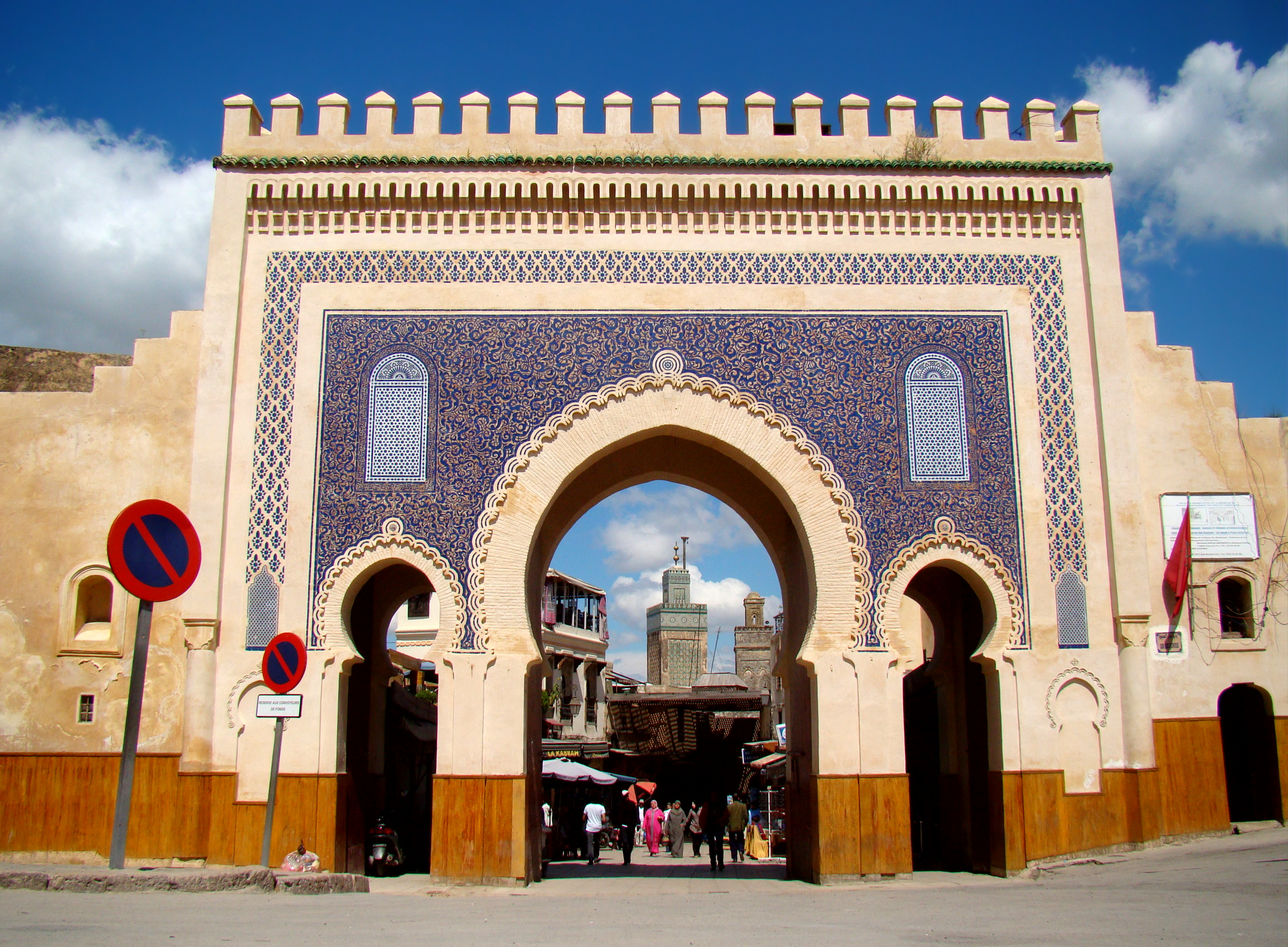
The city of Fes is home to one of the world’s oldest continuously inhabited urban centers. Its medieval medina, Fes el-Bali, is a UNESCO World Heritage Site and a masterpiece of Islamic urban planning. The Al Quaraouiyine Mosque, founded in the 9th century, is considered the oldest existing university in the world.
Marrakech: The Red City
Founded in the 11th century, Marrakech has long been a center of power and culture. The lively Jemaa el-Fnaa square is the city’s beating heart, filled with storytellers, musicians, and market stalls. Nearby, the Koutoubia Mosque and Bahia Palace showcase the elegance of Moroccan Islamic architecture.
Rabat: Capital of Kingdom and Continuity
The capital city of Rabat blends modern governance with deep historical roots. Landmarks such as the Hassan Tower and the Kasbah of the Udayas reflect centuries of dynastic ambition, while the city’s clean boulevards and coastal setting represent contemporary Morocco.
Meknes: Fortress of the Sultan
Once the capital under Sultan Moulay Ismail, Meknes is known for its monumental gates, fortified walls, and royal granaries. Bab Mansour is considered one of the most impressive gates in North Africa, symbolizing the strength of Morocco’s imperial past.
Volubilis: Roman Morocco
The ancient Roman city of Volubilis offers insight into Morocco’s pre-Islamic history. Its preserved mosaics, columns, and arches reveal a thriving Roman provincial city surrounded by olive groves, highlighting Morocco’s long integration into Mediterranean civilization.
Chefchaouen: The Blue City
Nestled in the Rif Mountains, Chefchaouen is famous for its blue-washed streets and relaxed atmosphere. Founded in the 15th century, the city reflects Andalusian influence and has become one of Morocco’s most visually iconic destinations.
Ait Ben Haddou: Gateway of the Desert
The fortified village of Ait Ben Haddou is a UNESCO World Heritage Site and a striking example of southern Moroccan earthen architecture. Built along ancient caravan routes, it illustrates life on the edge of the Sahara and has served as a backdrop for many historical films.
The Sahara Desert
The Moroccan Sahara is one of the country’s most dramatic natural landmarks. Towering dunes near Merzouga and Zagora reflect centuries of trans-Saharan trade, nomadic life, and spiritual solitude. Desert landscapes remain central to Morocco’s historical imagination and cultural identity.
Atlas Mountains and Berber Villages
The Atlas Mountains divide Morocco’s climate and cultures. Traditional Amazigh villages cling to mountain slopes, preserving ancient lifestyles, architecture, and agricultural practices. These highlands demonstrate Morocco’s human adaptability and deep connection between land and culture.
Conclusion
Morocco’s landmarks form a living map of civilization—where Roman ruins, Islamic universities, imperial palaces, desert fortresses, and mountain villages coexist within one nation. Each site tells a story of movement, exchange, and resilience. Together, they make Morocco one of the world’s most culturally layered and visually captivating destinations.
If you’d like, I can shorten this for a tourism landing page, focus only on UNESCO World Heritage Sites, or create matching landmark articles for other Maghreb or Arab countries with the same style and structure.