Syrian Pastry: Artistry, Sweetness, and Timeless Tradition
Syrian pastry is one of the most celebrated dessert traditions in the Middle East. In Syria, pastry-making is not simply baking—it is a refined culinary art shaped by centuries of craftsmanship, trade, and cultural exchange. Known for its balance rather than excessive sweetness, Syrian pastry emphasizes texture, aroma, and premium ingredients.
Ancient Roots of Syrian Pastry
Syrian pastry traditions developed in the heart of the Fertile Crescent, where wheat, nuts, honey, and dairy were abundant. Over centuries, Arab-Islamic courts, Ottoman culinary culture, and Levantine tastes refined dessert-making into an elegant craft. Cities such as Damascus and Aleppo became legendary for their master pastry chefs, whose techniques influenced sweets across the Arab world.
Aleppo: Capital of Syrian Sweets
The city of Aleppo is internationally renowned for its pastries, particularly those made with pistachios—considered among the finest in the world. Aleppine desserts are known for precision, delicate syrup use, and perfectly layered dough, setting the gold standard for Syrian pastry.
Damascus and Refined Sweet Traditions
In Damascus, pastries tend to be lighter and aromatic, often flavored with rosewater and orange blossom. Damascene sweets are associated with hospitality, religious celebrations, and family gatherings, where pastries are offered as a symbol of generosity and respect.
Iconic Syrian Pastries
-
Baklava (Baklawa) – Thin layers of phyllo filled with pistachios or walnuts, lightly sweetened with syrup
-
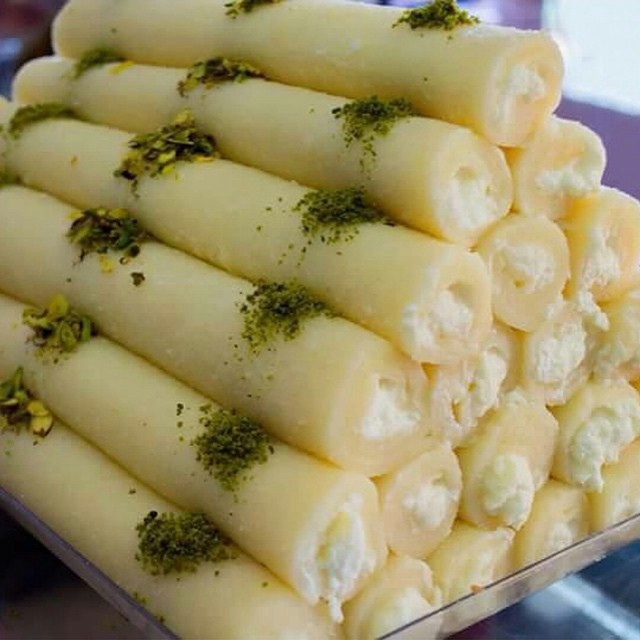
Halawet el Jibn – A unique Syrian specialty made from soft cheese dough filled with cream and topped with pistachios
-
Ma’amoul – Date, pistachio, or walnut-filled cookies prepared for religious holidays
-
Namoura (Basbousa) – Semolina cake soaked in syrup and often flavored with citrus
Each pastry reflects a balance between richness and subtle sweetness—a hallmark of Syrian taste.
Ingredients and Craftsmanship
Syrian pastry relies on high-quality ingredients: clarified butter (samneh), semolina, fine flour, fresh cheese, pistachios, walnuts, and fragrant syrups infused with rose or orange blossom water. The preparation process demands patience, precision, and experience—skills often passed down through generations of pastry families.
Pastry in Daily and Celebratory Life
Pastries play a central role in Syrian celebrations, especially during Ramadan, Eid, weddings, and family visits. Offering sweets to guests is a deeply rooted cultural gesture, symbolizing welcome, joy, and shared tradition.
Syrian Pastry Today and the Diaspora
Today, Syrian pastry continues to thrive both inside Syria and across the global diaspora. Syrian pastry shops abroad preserve traditional recipes while adapting presentation for modern audiences, introducing the world to one of the Middle East’s most refined dessert cultures.
Conclusion
Syrian pastry is a living heritage—elegant, precise, and deeply meaningful. From Aleppo’s pistachio-filled masterpieces to Damascus’s aromatic sweets, each bite tells a story of history, craftsmanship, and hospitality. As one of the finest dessert traditions in the Arab world, Syrian pastry remains a symbol of cultural pride and enduring culinary excellence.
If you’d like, I can shorten this for a dessert website, add a pastry-by-pastry glossary, or create matching pastry articles for other Levantine countries with the same tone and structure.