
Omani Cuisine


Omani Cuisine: Sea, Spice, and Timeless Hospitality


Cuisine in Oman reflects centuries of trade, seafaring, and desert life. Positioned along the Indian Ocean and ancient caravan routes, Oman developed a food culture that blends Arabian traditions with African, Indian, and Persian influences. Omani cuisine is aromatic rather than spicy, rich yet balanced, and deeply connected to hospitality, family, and celebration.
Historical Roots of Omani Food
Omani cuisine evolved through a combination of Bedouin survival cooking, coastal fishing traditions, and global trade. Omani sailors brought spices such as cloves, cardamom, cinnamon, and turmeric from East Africa and India, integrating them into local cooking. Dates, wheat, rice, fish, and meat formed the backbone of the diet, while slow cooking preserved flavor and nourishment.
Food has long been central to welcoming guests—a value deeply embedded in Omani culture.
Shuwa: Oman’s Signature Dish


Shuwa is Oman’s most celebrated dish and a symbol of communal tradition. Made from lamb or goat marinated in spices, it is wrapped in banana or palm leaves and slow-cooked in an underground sand oven for up to two days. Shuwa is traditionally prepared for Eid and major family gatherings, reflecting patience, craftsmanship, and shared celebration.
Rice, Meat, and Everyday Main Dishes


Rice is central to Omani meals, often served with chicken, lamb, or fish. Popular everyday dishes include:
-
Qabuli (Kabuli rice) – Fragrant rice cooked with meat, raisins, and spices
-
Arsiya – A smooth porridge of rice and meat, often eaten for breakfast or during Ramadan
-
Mashuai – Kingfish served with lemon rice, especially in coastal regions
These dishes highlight Oman’s love for gentle spice blends and comforting textures.
Seafood and Coastal Cuisine


With a long coastline along the Arabian Sea and Gulf of Oman, seafood is essential to Omani cuisine. Grilled kingfish, tuna, sardines, and shark are commonly prepared with rice or flatbread. Drying and salting fish is a traditional preservation method still used in coastal communities.
Bread, Dates, and Daily Eating


Flatbread accompanies nearly every Omani meal. Dates—abundant and culturally significant—are eaten daily and served to guests as a sign of respect. Breakfasts are simple, often including bread, dates, honey, cheese, and tea.
Omani Halwa and Sweets


Omani halwa is the country’s most famous dessert. Made from sugar, starch, rosewater, saffron, cardamom, and nuts, it has a gelatinous texture and deep aroma. Halwa is served during celebrations and alongside coffee, symbolizing generosity and joy.
Coffee, Hospitality, and Social Life


Hospitality is inseparable from Omani cuisine. Kahwa (Omani coffee), lightly spiced with cardamom, is served in small cups with dates. Offering food and drink is a cultural obligation and a sign of honor, whether at home or in public gatherings.
Regional Diversity in Omani Cuisine

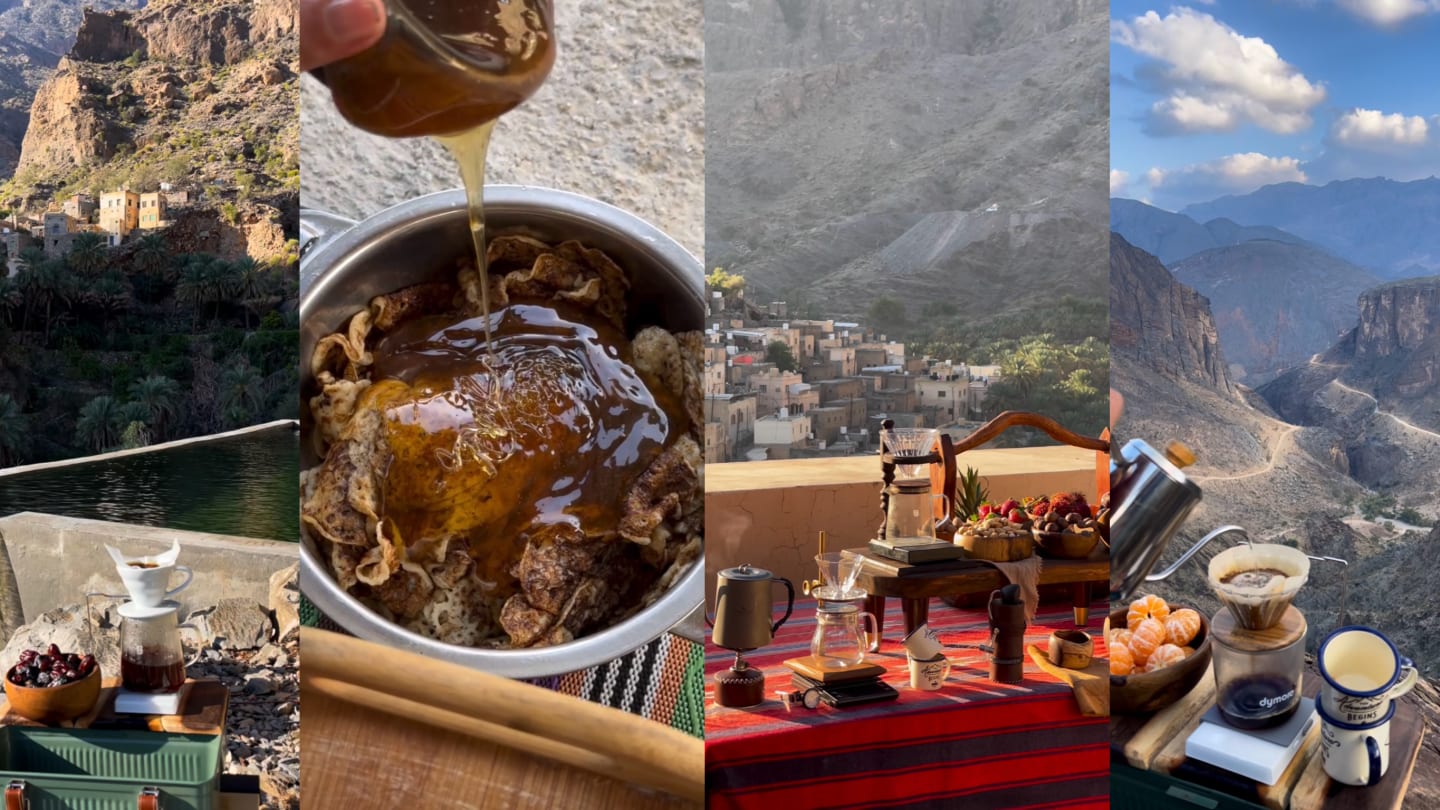

Omani cuisine varies by region. Coastal areas emphasize seafood, the interior focuses on meat and grain dishes, and southern Oman—especially Dhofar—features unique flavors influenced by the monsoon season and regional agriculture. Together, these variations form a cohesive national cuisine rooted in environment and tradition.
Modern Omani Cuisine

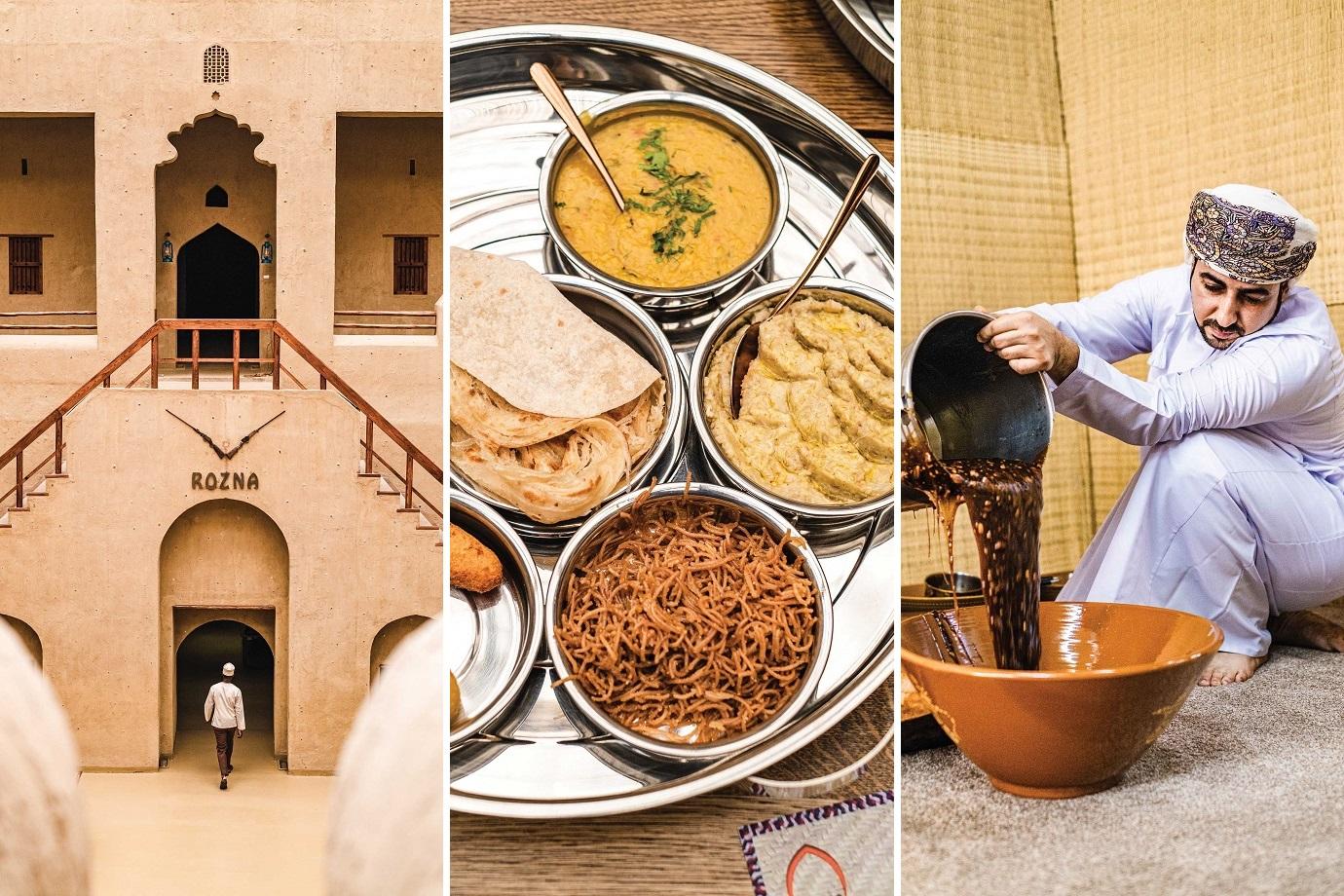

Today, Omani cuisine is gaining international attention. Chefs in cities like Muscat reinterpret traditional dishes with modern presentation while preserving authentic flavors. This culinary revival celebrates heritage while embracing innovation.
Conclusion
Omani cuisine is a story of land and sea, patience and generosity. From the slow-cooked ritual of shuwa to fragrant rice dishes, fresh seafood, and aromatic halwa, each meal reflects Oman’s history as a crossroads of cultures and trade. Rooted in hospitality and tradition yet open to modern expression, Omani cuisine remains a flavorful expression of national identity.
If you’d like, I can shorten this for a tourism or food website, add a regional dish map, or create matching cuisine articles for other Gulf or Arab countries with the same tone and structure.