Music of Jordan: Tradition, Identity, and Modern Expression
Music in Jordan is a powerful expression of heritage, community, and evolving identity. Shaped by Bedouin traditions, Levantine culture, and contemporary influences, Jordanian music connects the rhythms of the desert with the sounds of modern cities. It reflects both ancient roots and a dynamic present.
Historical Roots of Jordanian Music
Jordan’s musical traditions grew from its geography and way of life. For centuries, music accompanied Bedouin poetry, storytelling, and tribal gatherings in the desert, while settled communities developed songs linked to agriculture, weddings, and seasonal celebrations. These traditions emphasized oral expression, rhythm, and collective participation.
Music was not only entertainment—it was a means of preserving history, honor, and social values.
Bedouin Music and Poetry
Bedouin music lies at the heart of Jordanian musical heritage. Performed with simple instruments such as the rababa (a single-string fiddle) and percussion, Bedouin songs often accompany nabati poetry. Themes include bravery, love, hospitality, and the beauty of the desert.
These musical forms remain central to weddings, tribal events, and cultural festivals across Jordan.
Folk Music and Dabke
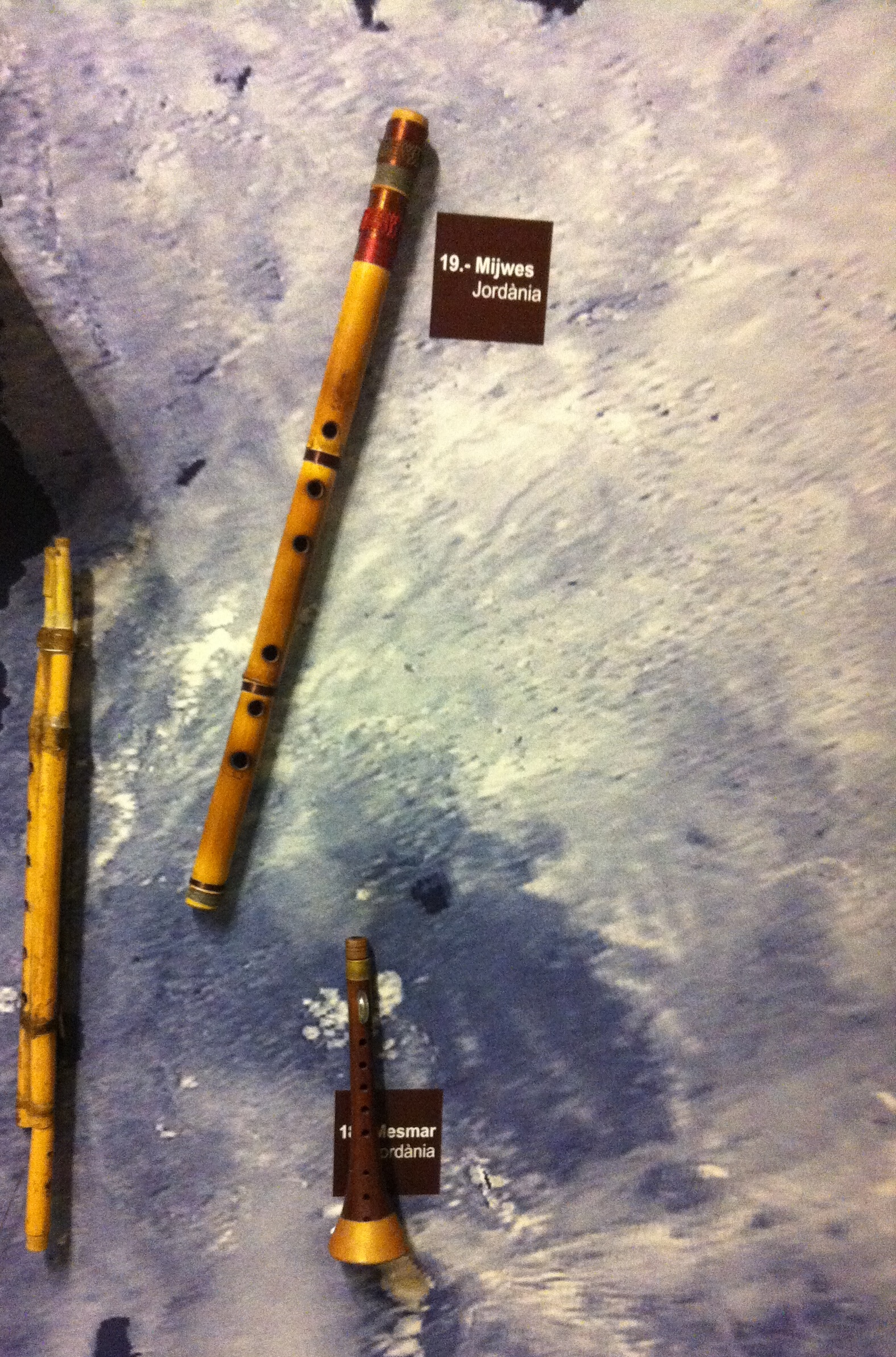
Folk music in Jordan is closely tied to communal dance, especially dabke. Performed at weddings and national celebrations, dabke combines synchronized footwork with energetic music driven by drums, mijwiz (double-reed pipe), and clapping. The music fosters unity and collective joy, reinforcing strong social bonds.
Classical and Arab Musical Traditions
Jordanian musicians are deeply connected to the wider Arab classical music tradition. The maqam system—melodic modes guiding composition and improvisation—forms the foundation of many performances. Instruments such as the oud, qanun, ney, and violin are commonly used in formal concerts and cultural institutions.
Cities like Amman host orchestras, music academies, and festivals that promote classical Arabic music and musical education.
Modern Jordanian Music Scene
In recent decades, Jordan’s music scene has expanded to include pop, rock, jazz, hip-hop, and electronic music. Young Jordanian artists blend Arabic melodies and poetry with global genres, creating music that speaks to modern identity, social change, and creativity.
Amman has become a regional hub for independent music, live performances, and cultural experimentation.
Music in Jordanian Daily Life
Music is woven into everyday Jordanian life—from traditional songs at family gatherings to modern playlists in cafés and cars. National celebrations, weddings, and festivals feature live music and dance, while media and digital platforms allow Jordanian artists to reach regional and international audiences.
Music as Cultural Identity
Jordanian music reflects balance: between desert and city, tradition and innovation, local roots and global connection. It preserves ancient poetic forms while welcoming new sounds, serving as a bridge between generations and communities.
Conclusion
Music in Jordan is both heritage and living expression. From Bedouin melodies echoing across the desert to modern sounds emerging from Amman’s creative scene, Jordanian music tells a story of resilience, unity, and cultural pride. As it continues to evolve, it remains a vital voice of Jordan’s past, present, and future.
If you’d like, I can shorten this for a cultural landing page, add artist and instrument spotlights, or create matching music articles for other Arab countries with the same structure and tone.