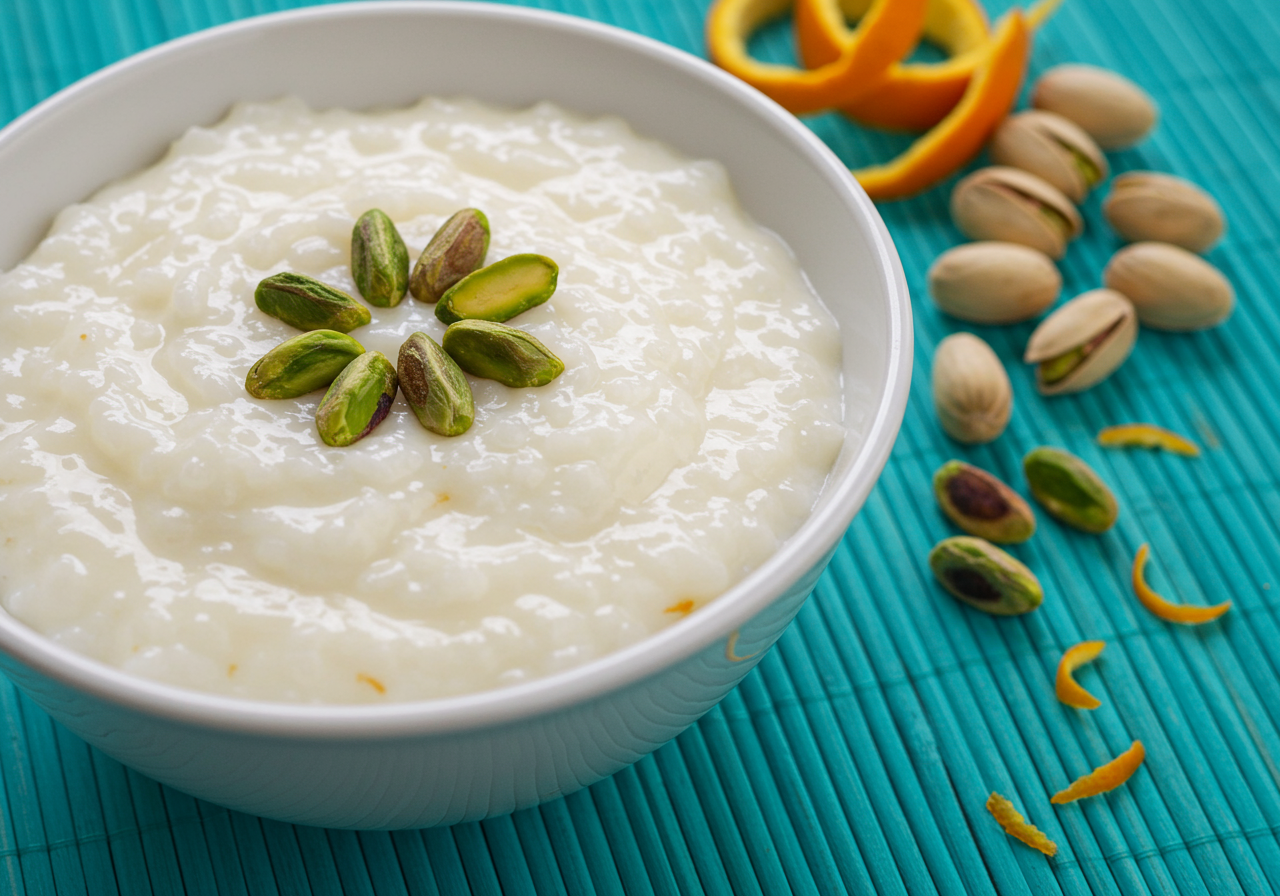
Lebanese Pastry: Sweet Craft, Aroma, and Celebration
Lebanese pastry is one of the most refined dessert traditions in the Middle East. In Lebanon, pastries are more than sweets—they are expressions of hospitality, artistry, and cultural pride. Known for their balance, fragrant syrups, and delicate textures, Lebanese pastries reflect centuries of culinary mastery shaped by Levantine, Ottoman, and Mediterranean influences.
Historical Roots of Lebanese Pastry
Lebanese pastry-making evolved over thousands of years as Lebanon stood at the crossroads of civilizations. Phoenician trade introduced nuts and sweeteners, while Arab-Islamic and Ottoman eras refined techniques such as layered doughs, syrup glazing, and nut fillings. Over time, Lebanese pastry developed its own identity—lighter and more aromatic than many regional counterparts.
Ingredients such as semolina, wheat flour, butter or clarified ghee, nuts, and floral waters became central to dessert-making.
The Art of Balance and Aroma
A defining feature of Lebanese pastry is restraint. Desserts are sweet but never overwhelming, relying on subtle sugar syrups infused with rosewater or orange blossom. Pistachios, walnuts, almonds, and pine nuts add texture and richness, while careful baking ensures crispness without heaviness.
This balance makes Lebanese pastries elegant and widely loved.
Iconic Lebanese Pastries
-
Baklava (Baklawa) – Thin layers of phyllo filled with pistachios or walnuts and lightly soaked in syrup
-
Knafeh – A warm cheese-based pastry topped with semolina or shredded dough, often enjoyed for breakfast or dessert
-
Ma’amoul – Shortbread-style cookies filled with dates, pistachios, or walnuts, especially popular during holidays
-
Nammoura – A moist semolina cake flavored with citrus and syrup
Each pastry reflects precision, tradition, and respect for ingredients.
Pastry and Religious Celebrations
Pastries play a central role in Lebanese religious and social celebrations. During Eid, Christmas, Easter, and Ramadan, homes fill with freshly prepared sweets. Offering pastries to guests is a deeply rooted custom symbolizing joy, generosity, and welcome.
Families often gather to prepare large batches together, turning pastry-making into a shared cultural ritual.
Pastry Shops and Urban Culture
In cities such as Beirut, pastry shops are cultural landmarks in their own right. From historic patisseries to modern boutiques, these shops display trays of golden baklava, syrup-soaked cakes, and nut-filled delicacies—inviting both locals and visitors into Lebanon’s sweet tradition.
Lebanese Pastry in the Diaspora
Across the world, Lebanese pastry has become an ambassador of Lebanese culture. Bakeries in Europe, the Americas, and the Gulf preserve traditional recipes while adapting presentation for international audiences, introducing Lebanese sweets to a global palate.
Modern Creativity and Tradition
Today’s Lebanese pastry chefs balance tradition with innovation. Classic recipes are reimagined with lighter textures, reduced sugar, and elegant presentation—while remaining faithful to authentic flavors. This creative evolution keeps Lebanese pastry relevant and admired worldwide.
Conclusion
Lebanese pastry is a celebration of craftsmanship, aroma, and shared joy. From crisp baklava and warm knafeh to festive ma’amoul and fragrant semolina cakes, each dessert tells a story of heritage and hospitality. Rooted in centuries of tradition yet open to modern expression, Lebanese pastry remains one of the Middle East’s most elegant and beloved sweet cuisines.
If you’d like, I can shorten this for a bakery website, add a pastry-by-pastry glossary, or create matching pastry articles for other Arab countries with the same tone and structure.