
Yemeni Cuisine


Yemeni Cuisine: Ancient Flavors, Mountain Hearths, and Arabian Hospitality


Cuisine in the Republic of Yemen is among the oldest and most distinctive in the Arab world. Shaped by fertile highlands, desert trade routes, and Red Sea ports, Yemeni food reflects thousands of years of agriculture, commerce, and communal life. It is hearty, aromatic, and deeply social—meant to be shared, savored, and remembered.
Historical Roots of Yemeni Food
Yemeni cuisine grew from ancient farming societies and long-distance trade. Terraced mountains produced grains, vegetables, and coffee, while caravans brought spices from India and East Africa. Coastal regions relied on fish and preservation methods, and desert communities perfected slow cooking to nourish families and travelers alike.
Meals traditionally center on balance and warmth rather than heat, with spices used to enhance—not overpower—natural flavors.
Saltah: Yemen’s National Dish
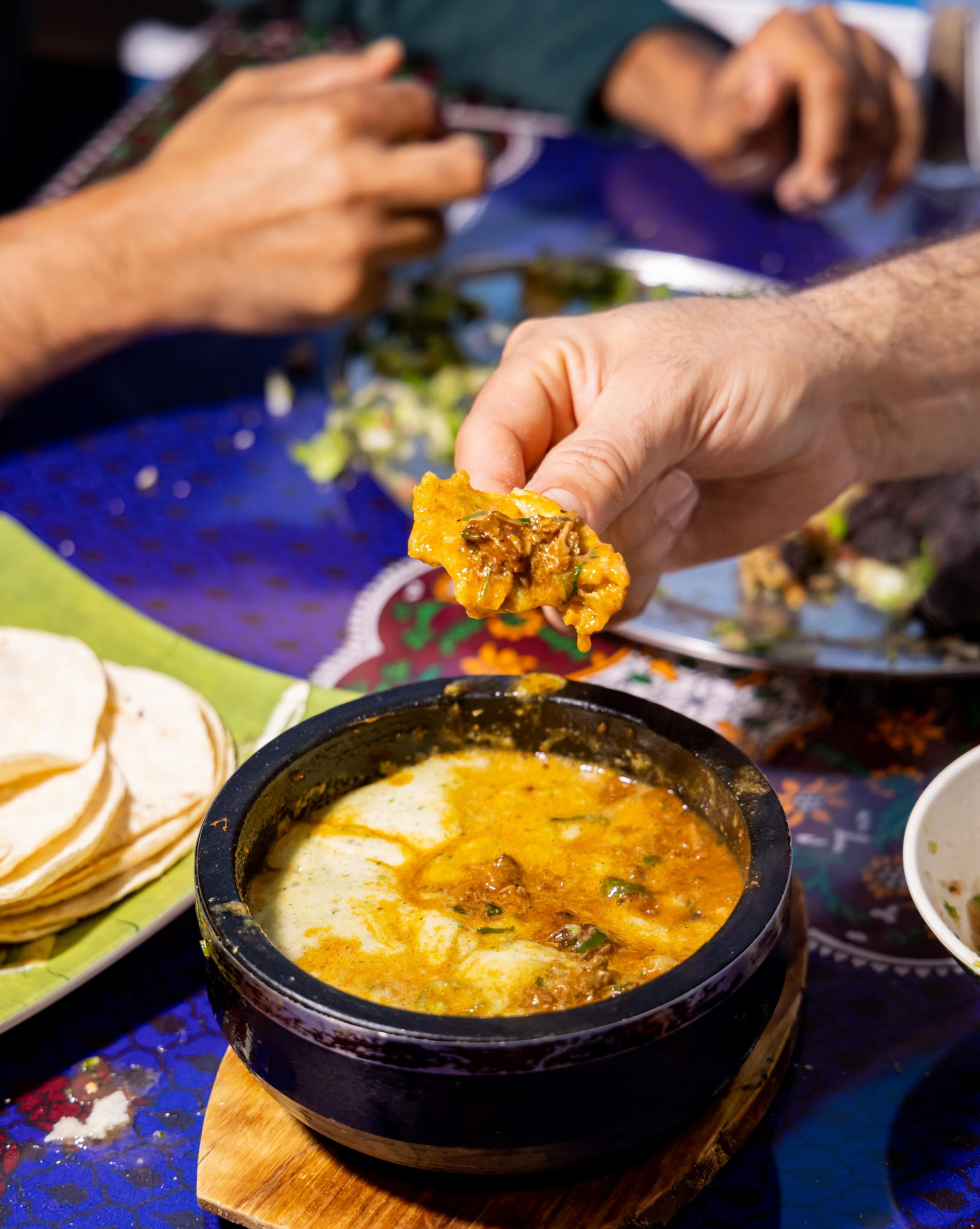


Saltah is Yemen’s most iconic dish and a symbol of home cooking. Served bubbling hot, it combines meat broth, vegetables, fenugreek foam (hulbah), and spices, often finished with a dollop of sahawiq (a chili-tomato-herb sauce). Eaten communally with bread, saltah embodies Yemeni comfort, generosity, and everyday life.
Rice and Meat Traditions


Rice dishes became central through trade and regional exchange. Popular preparations include:
-
Mandi – Fragrant rice with slow-cooked meat, traditionally prepared in underground ovens
-
Fahsa – Shredded meat simmered with spices, often paired with saltah
-
Haneeth – Tender lamb cooked slowly until it falls from the bone
These dishes are prepared for gatherings, celebrations, and honored guests.
Bread: The Foundation of Every Meal


Bread is essential to Yemeni dining and often replaces utensils. Varieties such as tanoor, malawah, and kubaneh are baked fresh and used to scoop stews and sauces. Bread-making is a daily ritual, central to both nutrition and tradition.
Spices, Sauces, and Flavor


Yemeni cuisine relies on aromatic spice blends that include cumin, coriander, cardamom, turmeric, and black pepper. Sahawiq adds brightness and heat, while hulbah (fenugreek) gives depth and creaminess. These elements define Yemeni flavor—bold yet balanced.
Seafood and Coastal Cuisine


Along the Red Sea and Arabian Sea, seafood features prominently. Fish is grilled, fried, or cooked with rice and spices, reflecting Yemen’s maritime heritage and historic ports such as Aden and Mocha. Drying and salting fish remain traditional preservation methods.
Coffee: Yemen’s Gift to the World


Yemen holds a special place in global food history as the birthplace of coffee culture. Coffee beans from the highlands were exported through the port of Mocha, giving the world the term “mocha.” Coffee remains central to hospitality and social gatherings, symbolizing welcome and respect.
Sweets and Desserts


Yemeni desserts are simple, rich, and honey-based. Bint Al-Sahn—a layered honey bread with butter and black seeds—is the most famous, served on special occasions. Sweets emphasize natural ingredients and warmth rather than excess sugar.
Cuisine and Social Life
Meals in Yemen are communal and symbolic. Families and guests gather around shared platters, reinforcing bonds of trust and belonging. Food expresses honor, generosity, and identity, with recipes passed down through generations.
In cities such as Sana’a, traditional dishes continue to anchor daily life, while modern influences adapt presentation without losing authenticity.
Conclusion
Yemeni cuisine is a living heritage shaped by ancient agriculture, global trade, and strong community values. From bubbling saltah and slow-cooked meats to fresh bread, aromatic spices, and historic coffee, each dish tells a story of resilience and generosity. Rooted in tradition yet alive in everyday life, Yemeni food remains one of the most soulful and enduring cuisines of the Arab world.
If you’d like, I can shorten this for a food or tourism website, add a dish glossary with images, or create matching cuisine articles for other Arab countries in the same style and tone.