Select Page

Yemen Landmarks

Landmarks of Yemen: Ancient Cities, Sacred Sites, and Architectural Wonders

https://images.openai.com/static-rsc-3/X8wWQpG6W9pVQo48kLV_W_rxZZ9GL9r6ZsDStvatghPGBr0vgvhs7pyZIw9kksipJkQ6AMXyOkAeqRGOvoYmO1dnxAy-ZO3_DTsrtwIwKWY?purpose=fullsize
https://images.openai.com/static-rsc-3/fDOeJg_XRe8Qf8lvsLS6wbyEkIJaXQpjyMOSJMCUrWmpvN_UJiKWarEPTa68iKYIjVF_W3MHx3dqY9hxw4Vu5BVIOxr0U6IdEzu8D8yKlCE?purpose=fullsize
https://images.openai.com/static-rsc-3/tFsMYVpC6l_BeEnL7vueDj5qiXCLdIXDTeUFaVPtyUOQwUkBVK65QQOyouYZev2nIOcJjqfJi57L7eoIbPxZyTqZICdEdQesfD7Xzi5rhfU?purpose=fullsize
5

The landmarks of the Republic of Yemen reflect one of the deepest and most continuous civilizations in the Arab world. From legendary ancient kingdoms and UNESCO-listed cities to dramatic natural landscapes, Yemen’s landmarks tell a story of human ingenuity, trade, faith, and resilience shaped over thousands of years.


Old City of Sana’a: Living Ancient Capital

https://images.openai.com/static-rsc-3/fDOeJg_XRe8Qf8lvsLS6wbyEkIJaXQpjyMOSJMCUrWmpvN_UJiKWarEPTa68iKYIjVF_W3MHx3dqY9hxw4Vu5BVIOxr0U6IdEzu8D8yKlCE?purpose=fullsize
https://images.openai.com/static-rsc-3/OruBC8HBrXCrZ3gLz0qOd_qPvVLuL8ud86q6-14x_4rkWZerVOXA8HCJ-HyQQGd2Kv7y3s2NqcaYEtWPFkXyLCJEyT15Rpzk1YN9TRVQNOg?purpose=fullsize
https://upload.wikimedia.org/wikipedia/commons/e/e7/Old_City%2C_Sana%27a%2C_Yemen_%2815335600470%29.jpg

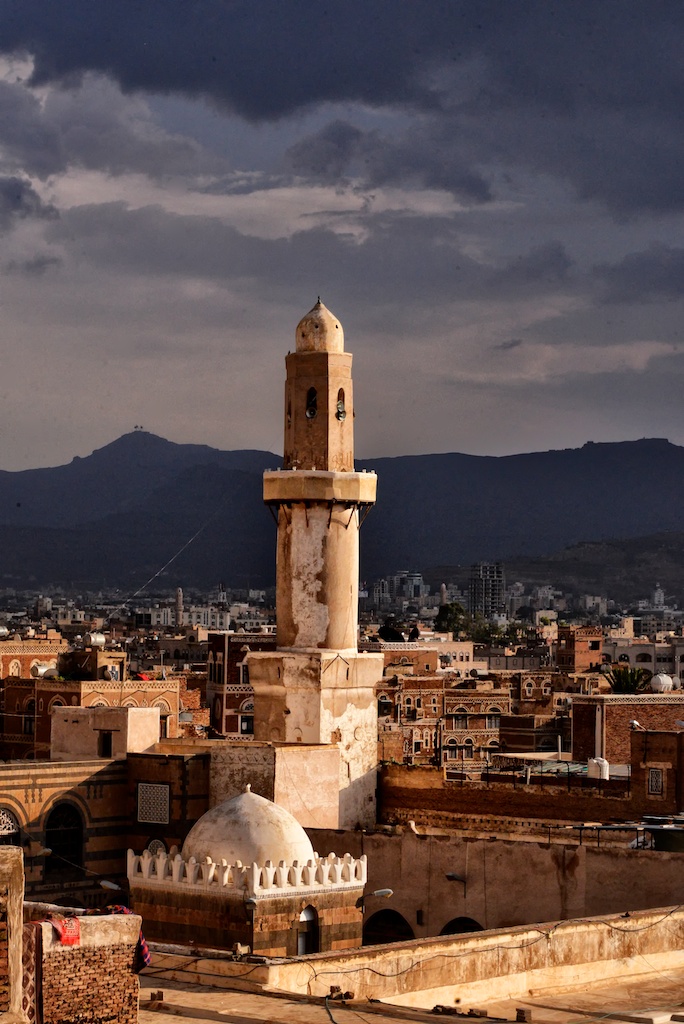
The Sana’a Old City is one of the oldest continuously inhabited urban centers in the world and a UNESCO World Heritage Site. Famous for its multi-story mud-brick tower houses decorated with white gypsum patterns, Sana’a represents a unique form of Islamic urban architecture.

At its heart stands the Great Mosque of Sana’a, one of the earliest mosques in Islam, reflecting Yemen’s early and peaceful adoption of Islam.


Shibam: The Manhattan of the Desert

https://whc.unesco.org/uploads/thumbs/site_0192_0008-1200-630-20151105162946.jpg
https://images.openai.com/static-rsc-3/tFsMYVpC6l_BeEnL7vueDj5qiXCLdIXDTeUFaVPtyUOQwUkBVK65QQOyouYZev2nIOcJjqfJi57L7eoIbPxZyTqZICdEdQesfD7Xzi5rhfU?purpose=fullsize
https://images.openai.com/static-rsc-3/vfFYZyLWIU5d1VozxveyijC2FTxr_VWFUYqeyWL7w7hjX1Wrn6sK3fWNPPh7SXYtLvhRla1Z8rVWCSWo5ZULiiSOKvvKg2YpYg4kiOudKYs?purpose=fullsize

The historic city of Shibam, located in the Hadramawt Valley, is renowned for its vertical mud-brick buildings rising up to eight stories high. Often called the “Manhattan of the Desert,” Shibam is a UNESCO World Heritage Site and one of the earliest examples of high-rise urban planning, designed to protect residents from floods and invasions.


Marib: Capital of Ancient Saba
https://upload.wikimedia.org/wikipedia/commons/2/27/Jemen1988-022_hg.jpg
https://whc.unesco.org/uploads/thumbs/site_1700_0003-1200-630-20230125120836.jpg
https://images.openai.com/static-rsc-3/3wW1Yp37nMKMExJUW0fp7ytNR7sL8IITFHufQ6y6ReegOhKIK1FP4KkuQUwFHPVEZ6FDsIG8MlulmEJ_3fPZ0DdXJ-epIJicFRA4KVFZajw?purpose=fullsize

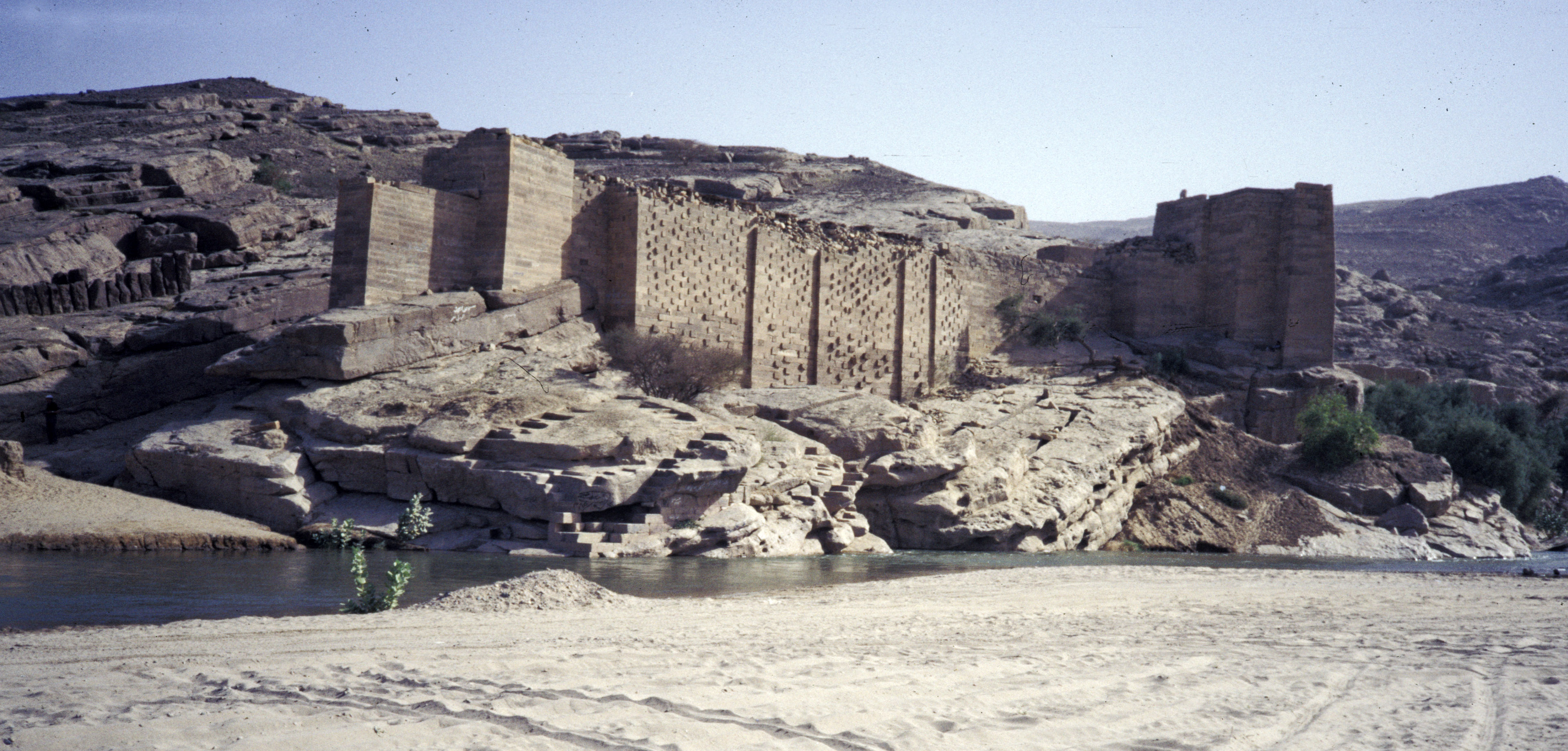
The ancient city of Marib was the heart of the Sabaean Kingdom, one of Arabia’s most powerful civilizations. The ruins of the Great Marib Dam stand as a symbol of remarkable engineering that enabled large-scale agriculture in a harsh environment. Nearby temples and inscriptions reveal Yemen’s central role in the ancient incense trade.


Zabid: Center of Islamic Learning

https://images.openai.com/static-rsc-3/Gk8zK94b76O4hevLQwF6GeFI9E-n2TyhUZhFUK4QwuPVuTu5zs4jEhs6Anh-L-UEpcLuIupFcolyJj9xoSVab98p5Kp9Kofz3Ul0yop4u1Q?purpose=fullsize
https://upload.wikimedia.org/wikipedia/commons/7/72/30_Zabid_%2815%29.jpg
https://images.openai.com/static-rsc-3/DzKWSRyYotLrIfr6bQ1DVnbi6hTBDcs5aGL9Lk5-RCl2x-p4VV6EkAdXeB6L9piNrZ7j-nB-FSQtkahQ4YgNv9NSPzsRGfIJAMPgdH77ce8?purpose=fullsize

The historic city of Zabid, a UNESCO World Heritage Site, was once one of the most important centers of Islamic education in the world. Its traditional architecture, mosques, and narrow streets reflect centuries of scholarship, religious life, and cultural exchange.


Socotra Island: Natural World Wonder

https://images.openai.com/static-rsc-3/605_GcT8sJYz2AzhyeiI1hGLuogRv4VPldFE1sN-w20d3uftnX7pr2b9Unkggq6cz3exLpaUPVN83eU6xPDDdOa9F8-K0Qad75r37yVL68g?purpose=fullsize
https://images.openai.com/static-rsc-3/EzwyrG6zUwoUabig7tqijW3FE6QidIHjxDyTKBp0tWG-hKxezWUMBi7ygE_ctZUBAFHgLEp19zCN8BhSDU9RNqXuSbo0ivdWZ5kc2grVcCM?purpose=fullsize
https://images.openai.com/static-rsc-3/UBXX6j9qZM5YKanlu2ClK8qRa0jYlN0WDda3elhXJjCcdx27baZEOOC3BE9XbkDHuavx4GuEYECPPxxV4PD88-WS5pTGo7MU2u-HA-J4siY?purpose=fullsize

The island of Socotra is one of the most extraordinary natural landmarks on Earth. A UNESCO World Heritage Site, Socotra is famous for its unique biodiversity, including the iconic dragon blood tree. Isolated for millions of years, the island offers a rare glimpse into ancient ecosystems and humanity’s long relationship with nature.


Hadramawt Valley: Cities of Earth and Stone

https://upload.wikimedia.org/wikipedia/commons/1/1f/Shibam_Wadi_Hadhramaut_Yemen.jpg
https://images.openai.com/static-rsc-3/QzWQykDPSiJ1R4ygNy-O_y9qD-jIBhJfU-vAlKBwblFbJzETMVVOUqCXAgC9VMT9bZGEQPJpupCk87x8HLyQvdEmlHQCVrrHzrzjWWdh41o?purpose=fullsize
https://images.openai.com/static-rsc-3/p0Fr9bZfQswDyDlKaLL9Qcv0rCgarUuciQ3H9bniwO2c7qz32xSEFG262hUjmlc4nUOgQB_Sb-hoZv9jgx-bxvvmDq140X56qbT4istK9-4?purpose=fullsize

The Hadramawt Valley is home to historic cities such as Tarim, known for its numerous mosques and religious schools. Mud-brick architecture dominates the region, showcasing sustainable building techniques adapted to climate and environment. These cities highlight Yemen’s long tradition of scholarship and architecture.


Al-Mahwit and Mountain Villages

https://images.openai.com/static-rsc-3/qifAmElACDYI2WJvvLE1CUeUlCuh7IpIqRvFY1r1Of3vLkjOeyv_1m0IqgEkNhp77BzWdthmXr33nLdCNoFGz_McmQQDqwHEa39--NAZ31s?purpose=fullsize
https://images.openai.com/static-rsc-3/vCEu1aKJlxyEinFkQESiLj-A7chxOlbbWwhiSbfrCTUS-wcif3Gh1Pqs3tLruBHzy-sulKsSnliLiWm5L22gVKAevmLnfKCcFIlQ7RFDwvs?purpose=fullsize
https://images.openai.com/static-rsc-3/xTi1-UkgzuBhR1BN7TEd2IfYa38r-81mcRFmpITfi6NMbuijxnjYELksFEuE9yPbEPmWOgxRpdbBXdhsRhdiUoWKA32am_EFyDvQfOCEvdc?purpose=fullsize

Yemen’s mountainous regions are dotted with dramatic stone villages perched on cliffs and terraced hillsides. Areas such as Al-Mahwit demonstrate ancient agricultural engineering, where stone terraces transformed steep slopes into fertile farmland—an enduring symbol of human adaptation.


Historic Ports and the Coffee Route

https://upload.wikimedia.org/wikipedia/commons/thumb/d/db/Mocha_Dapper_1680.jpg/250px-Mocha_Dapper_1680.jpg
https://images.openai.com/static-rsc-3/3RgzSvaQf-MuBaII3WkuyWRsCMYAX3_jUkRMPHs9rp2Sb0U513OkKA9uzE2wGaDQOYgvYP5Mvf9nSadxpEGOafSTodJ4UOEg75bFk2xWogM?purpose=fullsize
https://th-thumbnailer.cdn-si-edu.com/iGbfVO0T3D7r5uJ9ant0yCpib7E%3D/fit-in/1072x0/https%3A//tf-cmsv2-smithsonianmag-media.s3.amazonaws.com/filer/f2/96/f296305e-3b02-4b7f-ac60-2f4bfd5a4ed1/mocha_dapper_1680.jpg

Historic ports along Yemen’s Red Sea coast played a key role in global trade. The port of Mocha became world-famous as the gateway through which coffee spread from Yemen to the rest of the world, forever linking Yemen’s name to global culture and commerce.


Conclusion

Yemen’s landmarks are monuments to endurance, innovation, and cultural depth. From ancient dams and desert skyscrapers to sacred cities and unique natural landscapes, they reveal a civilization that mastered architecture, trade, agriculture, and spirituality long before modern times. Despite contemporary challenges, Yemen’s landmarks remain powerful symbols of a heritage that belongs not only to Yemen, but to humanity as a whole.

If you’d like, I can shorten this for a tourism landing page, focus only on UNESCO World Heritage Sites, or create matching articles on Yemeni music or cuisine using the same style and structure.