
Kuwaiti Music


Music of Kuwait: Maritime Roots, Poetic Tradition, and Modern Sound


Music in the State of Kuwait reflects a society shaped by the sea, the desert, and a strong poetic heritage. From pearl-diving songs and classical Gulf melodies to contemporary pop and fusion, Kuwaiti music expresses collective memory, social values, and modern creativity. It is one of the most influential musical traditions in the Arabian Gulf.
Historical Roots of Kuwaiti Music
Before the discovery of oil, Kuwaiti music developed organically from daily life. Music accompanied seafaring, trade, pearling, and social gatherings. Songs helped coordinate labor, express emotion, and strengthen community bonds. Oral transmission and poetry were central, making music an extension of storytelling and shared experience.
Kuwait’s position as a trading hub exposed it to African, Persian, and Indian influences, enriching its rhythms and melodic structures.
Sawt Music: Kuwait’s Classical Tradition


Sawt is the most distinctive and prestigious form of Kuwaiti music. Often described as classical Gulf music, sawt combines poetic lyrics with melodic improvisation and rhythmic precision. It is traditionally performed with the oud, violin, and percussion, and sung in intimate social settings.
Sawt songs explore themes of love, longing, travel, and reflection, and Kuwait has long been regarded as the heart of this musical style in the Gulf.
Sea Songs and Pearling Music


Maritime music played a vital role in Kuwait’s pearling era. Pearl divers sang work songs led by a nahham (lead singer) to maintain rhythm and morale during long voyages. These songs were emotional, expressive, and deeply tied to hardship, hope, and brotherhood at sea.
Sea songs remain an important symbol of Kuwait’s maritime heritage and cultural memory.
Traditional Instruments and Rhythm

Kuwaiti music emphasizes rhythm and melody through traditional instruments:
-
Oud – Central to melodic expression and sawt music
-
Mirwas – A small drum essential to Gulf rhythms
-
Tabl – Larger drum providing rhythmic depth
-
Hand clapping – An important communal element
These instruments support music that is both structured and emotionally expressive.
Music, Poetry, and Social Life
Music and poetry are inseparable in Kuwaiti culture. Lyrics often draw from classical Arabic poetry or local verse, emphasizing eloquence and emotional depth. Music accompanies weddings, religious celebrations, national holidays, and gatherings in diwaniyas—traditional social meeting spaces central to Kuwaiti life.
Modern Kuwaiti Music

In the modern era, Kuwaiti music expanded into pop, orchestral, and contemporary Arabic genres. Kuwait became a regional center for music production, radio, and television, influencing the wider Gulf music scene.
Today, young Kuwaiti artists experiment with hip-hop, electronic music, and fusion styles while still drawing inspiration from traditional rhythms and poetic forms.
Cultural Institutions and Preservation
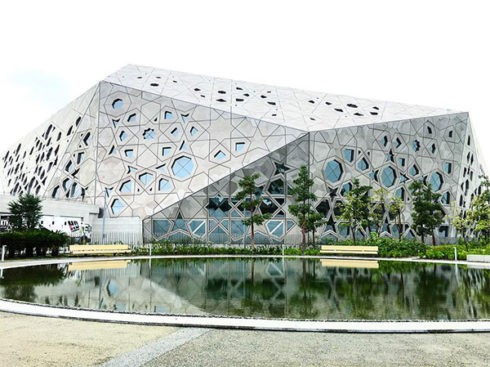

Cultural institutions and festivals in Kuwait City play an important role in preserving Kuwait’s musical heritage. Traditional performances, educational programs, and recordings ensure that sawt music and sea songs are passed on to future generations.
Music as National Identity
Kuwaiti music reflects balance—between sea and desert, tradition and innovation, intimacy and public expression. It preserves memories of pre-oil life while giving voice to modern experiences and aspirations.
Conclusion
Music in Kuwait is a living bridge between past and present. From the poetic elegance of sawt and the rhythmic power of sea songs to modern pop and experimental sounds, Kuwaiti music continues to express identity, resilience, and creativity. Deeply rooted in heritage yet open to change, it remains one of the Gulf’s most influential and enduring cultural voices.
If you’d like, I can add artist spotlights, create a shorter landing-page version, or prepare matching music articles for other Gulf countries using the same style and structure.