
Kuwait Landmarks

Landmarks of Kuwait: Heritage of the Gulf and Symbols of Modernity


The landmarks of the State of Kuwait reflect a nation shaped by the sea, the desert, and rapid modern transformation. From ancient islands and historic forts to iconic towers and cultural institutions, Kuwait’s landmarks tell the story of a society rooted in tradition while confidently embracing the future.
Kuwait Towers: National Icon


The Kuwait Towers are the most recognizable symbols of Kuwait. Overlooking the Arabian Gulf, the towers combine modern architecture with traditional Islamic design elements. Serving as water towers, viewing platforms, and restaurants, they represent Kuwait’s modernization and national pride.
Failaka Island: Gateway to Ancient History


Failaka Island is one of Kuwait’s most significant historical sites. Settled since ancient times, the island contains remains from the Dilmun civilization and later Greek occupation during the Hellenistic era. Failaka highlights Kuwait’s role in early Gulf trade networks and cross-cultural exchange.
Kuwait City: Capital of Heritage and Progress


The capital, Kuwait City, blends historic neighborhoods with modern skyscrapers. Traditional souqs, mosques, and old merchant houses coexist alongside contemporary financial districts, reflecting Kuwait’s balance between cultural preservation and urban growth.
Grand Mosque of Kuwait


The Grand Mosque of Kuwait is the country’s largest and most important religious landmark. Its elegant domes, calligraphy, and courtyards showcase Islamic architectural traditions while serving as a center for worship, education, and cultural events.
Sadu House: Textile and Bedouin Heritage
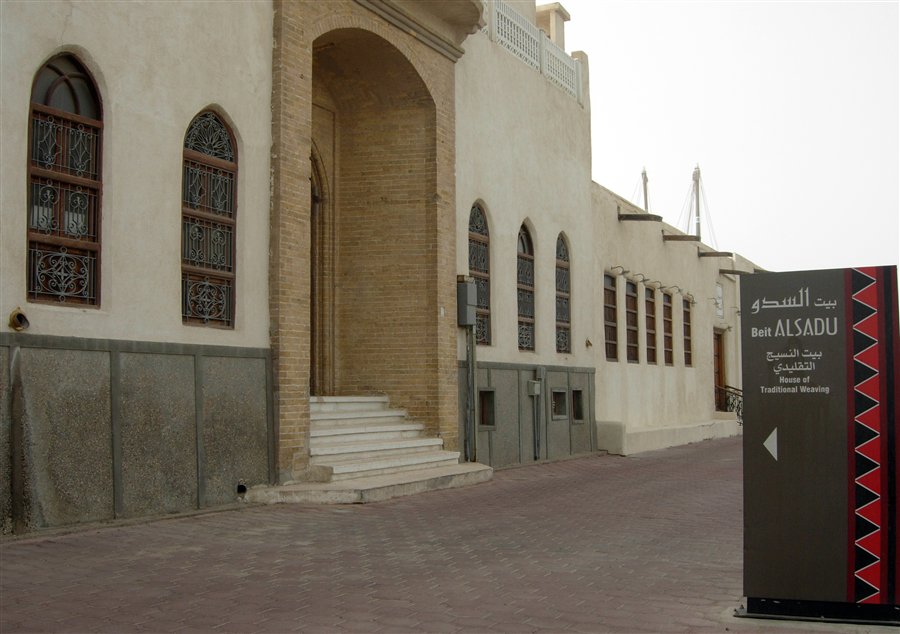


Sadu House preserves Kuwait’s Bedouin heritage through traditional weaving known as sadu. The site celebrates desert life, craftsmanship, and the role of women in preserving cultural identity through textile art.
Seif Palace and Historic Forts


Seif Palace stands near the heart of Kuwait City and serves as a symbol of governance and history. Its Islamic architectural details and historical significance connect modern Kuwait to its ruling traditions and political heritage.
The Scientific Center


The The Scientific Center is one of the largest science museums in the Middle East. Featuring an aquarium, discovery exhibits, and educational programs, it highlights Kuwait’s commitment to learning, environmental awareness, and youth education.
Souq Al-Mubarakiya


Souq Al-Mubarakiya is one of the oldest markets in Kuwait. A lively center of trade, food, and social life, the souq offers traditional foods, spices, fabrics, and cafés—preserving the spirit of pre-oil Kuwait within the modern city.
Kuwait’s Coastline and Maritime Heritage


Kuwait’s coastline is a natural landmark that shaped the nation’s identity. Traditional dhows, harbors, and waterfront promenades recall Kuwait’s maritime past of fishing, trade, and pearling, while modern developments reflect leisure, tourism, and urban life.
Conclusion
Kuwait’s landmarks offer a journey through time—from ancient islands and traditional markets to modern towers and cultural institutions. Together, they reveal a nation that values its heritage while confidently shaping its future. In every fort, mosque, island, and skyline, Kuwait’s story of resilience, trade, and cultural pride continues to be written.
If you’d like, I can shorten this for a tourism landing page, create a UNESCO-focused version, or prepare matching landmark articles for other Gulf countries in the same style and structure.