
Oman- Music


Music of Oman: Rhythm, Sea, and Ancient Tradition
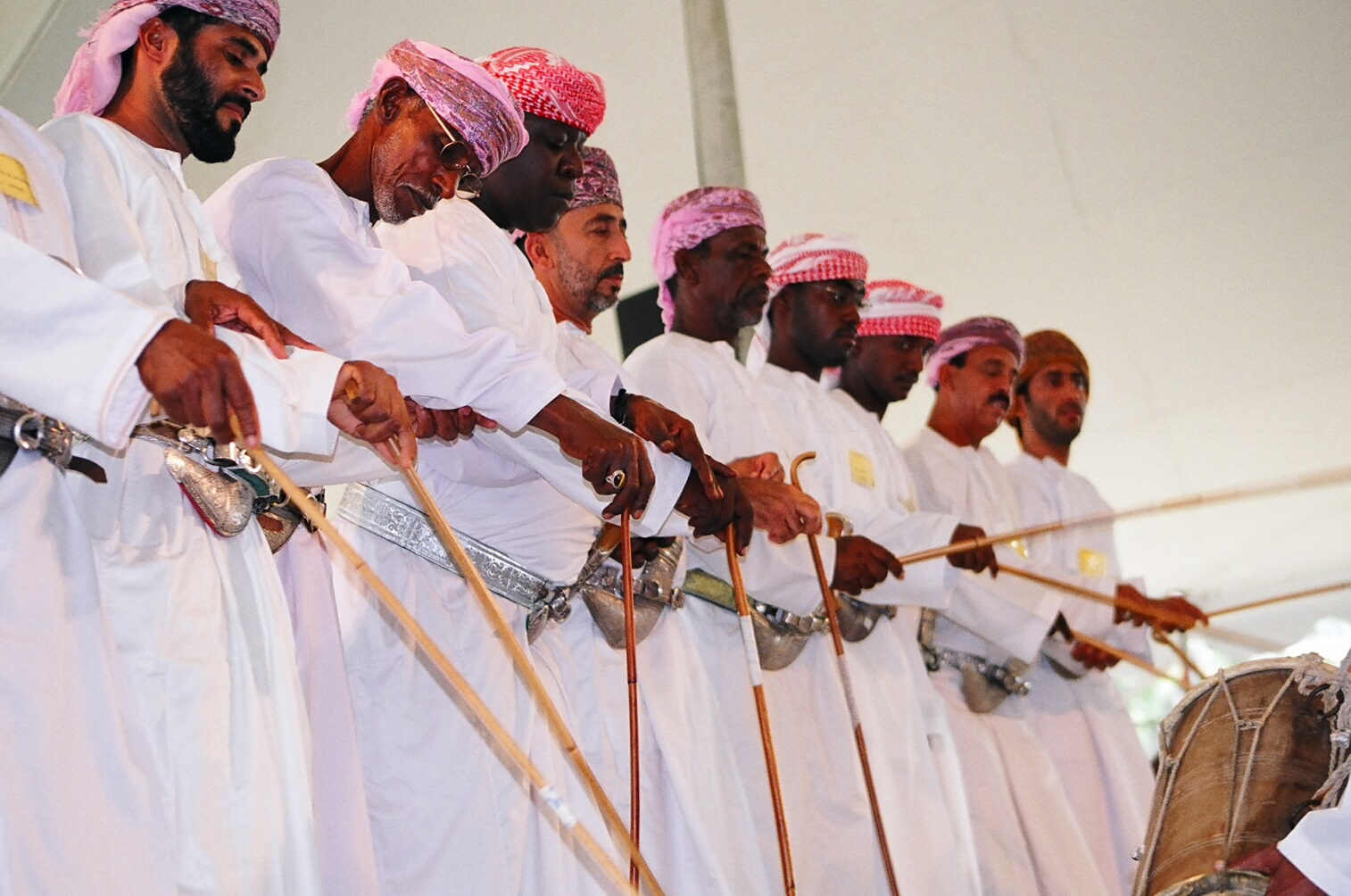


Music in Oman is a living expression of the nation’s history, geography, and cultural diversity. Shaped by desert life, seafaring traditions, African and Indian Ocean connections, and Arab heritage, Omani music is rhythm-driven, communal, and deeply tied to daily life, work, and celebration.
Historical Roots of Omani Music
Omani music developed over centuries through oral tradition. Long before modern instruments and notation, music accompanied poetry, labor, rituals, and social gatherings. Oman’s position as a major maritime power linking Arabia with East Africa, India, and Persia introduced diverse rhythms and musical styles that blended with indigenous Arabian traditions.
This fusion makes Omani music one of the most rhythmically rich traditions in the Gulf region.
Folk Music and Regional Diversity


Oman’s musical styles vary widely by region:
-
Northern Oman – Features structured rhythmic songs often accompanied by group dances
-
Coastal regions – Strongly influenced by maritime life and sea labor
-
Dhofar (southern Oman) – Known for unique melodies and seasonal traditions linked to the monsoon (khareef)
-
Desert communities – Emphasize poetry, chanting, and simple instrumental accompaniment
Each region preserves its own musical identity while contributing to a shared national culture.
Sea Music and Maritime Songs


Oman’s long maritime history produced a rich tradition of sea music. Sailors sang rhythmic work songs aboard dhows to coordinate rowing, hauling sails, and fishing. These chants reflect Oman’s historical connections with East Africa and the Indian Ocean, featuring call-and-response patterns and strong percussion.
Maritime music remains a proud symbol of Oman’s seafaring heritage.
Dance and Music as One Tradition


In Oman, music is inseparable from dance. Many performances combine drumming, chanting, and synchronized movement. Group dances are performed at weddings, national celebrations, and community festivals, reinforcing unity and shared identity. Swords, sticks, or rhythmic clapping often accompany performances, highlighting strength, honor, and cooperation.
Traditional Instruments


Omani music relies heavily on percussion, supported by melodic instruments:
-
Drums (rahmani, kasir) – The backbone of Omani rhythm
-
Oud – Used for melodic structure in more formal performances
-
Rababa – A string instrument associated with poetry and storytelling
-
Wind instruments – Used in regional and ceremonial music
The emphasis on rhythm reflects music’s functional role in work, movement, and collective activity.
Music in Social and Cultural Life
Music accompanies Omanis throughout life—from weddings and religious celebrations to national festivals and communal gatherings. Performances are often participatory, with audiences joining through clapping, chanting, or dance. Music reinforces social bonds and transmits values such as cooperation, respect, and pride in heritage.
Cities such as Muscat host cultural centers and festivals that document and preserve traditional music while introducing it to new generations.
Modern Omani Music


Modern Omani musicians blend traditional rhythms with contemporary styles, including orchestral music, pop, and fusion. National ensembles and cultural initiatives work to preserve folk traditions while adapting them for modern stages and international audiences.
This balance ensures that Omani music remains both authentic and evolving.
Music as Cultural Identity
Omani music reflects harmony—between land and sea, tradition and innovation, local roots and global influence. It carries stories of sailors, farmers, poets, and communities, serving as a sonic record of Oman’s history and values.
Conclusion
Music in Oman is rhythmic, communal, and deeply meaningful. From ancient sea chants and desert poetry to regional folk dances and modern interpretations, Omani music expresses the soul of a nation shaped by openness, resilience, and cultural continuity. As both heritage and living art, it remains a vital voice of Oman’s past, present, and future.
If you’d like, I can shorten this for a cultural landing page, add a regional music map, or create matching music articles for other Gulf countries with the same tone and structure.