
Jordan History & Culture- Landmarks

Landmarks of Jordan: Timeless Wonders of History and Nature

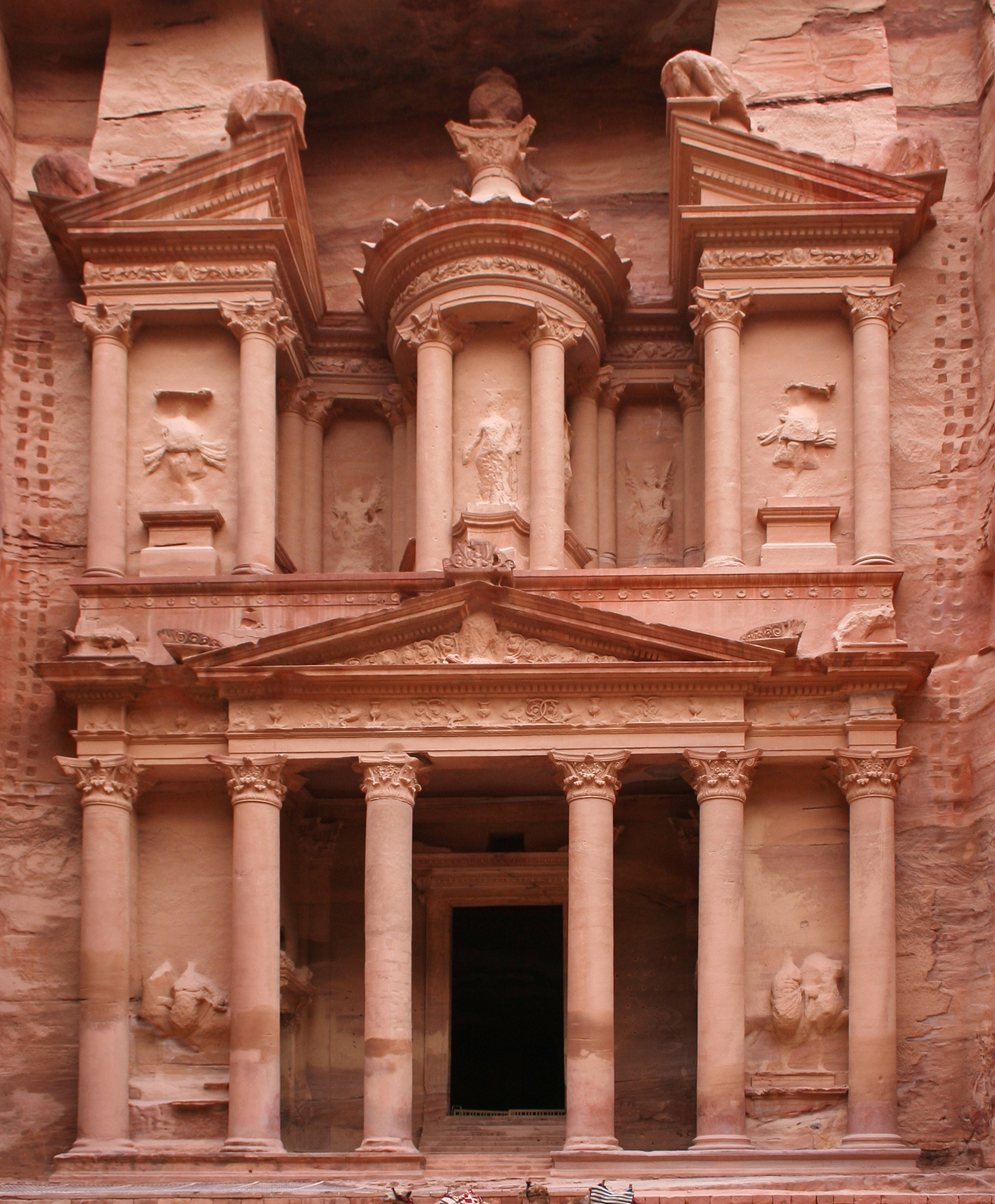

The landmarks of Jordan reflect thousands of years of human history shaped by trade, faith, and geography. Located at the crossroads of ancient civilizations, Jordan is home to world-famous archaeological sites, sacred religious locations, and breathtaking natural landscapes that together form one of the Middle East’s richest cultural destinations.
Petra: The Rose-Red City


The ancient city of Petra is Jordan’s most iconic landmark and a UNESCO World Heritage Site. Carved directly into rose-colored rock by the Nabataeans over 2,000 years ago, Petra was a major trading hub linking Arabia, the Levant, and the Mediterranean. Its Treasury (Al-Khazneh), royal tombs, and monasteries showcase remarkable engineering and artistic achievement.
Jerash: Roman Grandeur in the Levant


The city of Jerash is one of the best-preserved Roman provincial cities in the world. Its colonnaded streets, temples, theaters, and public squares reveal the scale and elegance of Roman urban life in the Middle East, making Jerash a cornerstone of Jordan’s classical heritage.
Amman Citadel and Roman Theater


Jordan’s capital, Amman, blends ancient and modern history. The Amman Citadel sits atop one of the city’s seven hills, containing ruins from the Ammonite, Roman, and Islamic periods. Nearby, the Roman Theater—still used today—demonstrates how ancient architecture remains part of contemporary urban life.
Wadi Rum: Valley of the Moon


The dramatic desert landscape of Wadi Rum is known for its towering sandstone mountains, natural arches, and red sands. Long inhabited by Bedouin communities, Wadi Rum is both a natural wonder and a cultural landscape, celebrated for its beauty, silence, and connection to desert life.
The Dead Sea: Earth’s Lowest Point


The Dead Sea is one of Jordan’s most unique natural landmarks. Sitting at the lowest point on Earth, its mineral-rich waters allow visitors to float effortlessly. The Dead Sea has been valued since antiquity for its healing properties and continues to attract travelers from around the world.
Mount Nebo: Sacred Viewpoint


Mount Nebo is a sacred site believed to be where the Prophet Moses viewed the Promised Land. From its summit, visitors can see the Jordan Valley, the Dead Sea, and Jerusalem on clear days. The site holds deep significance for Judaism, Christianity, and Islam.
Desert Castles of Eastern Jordan

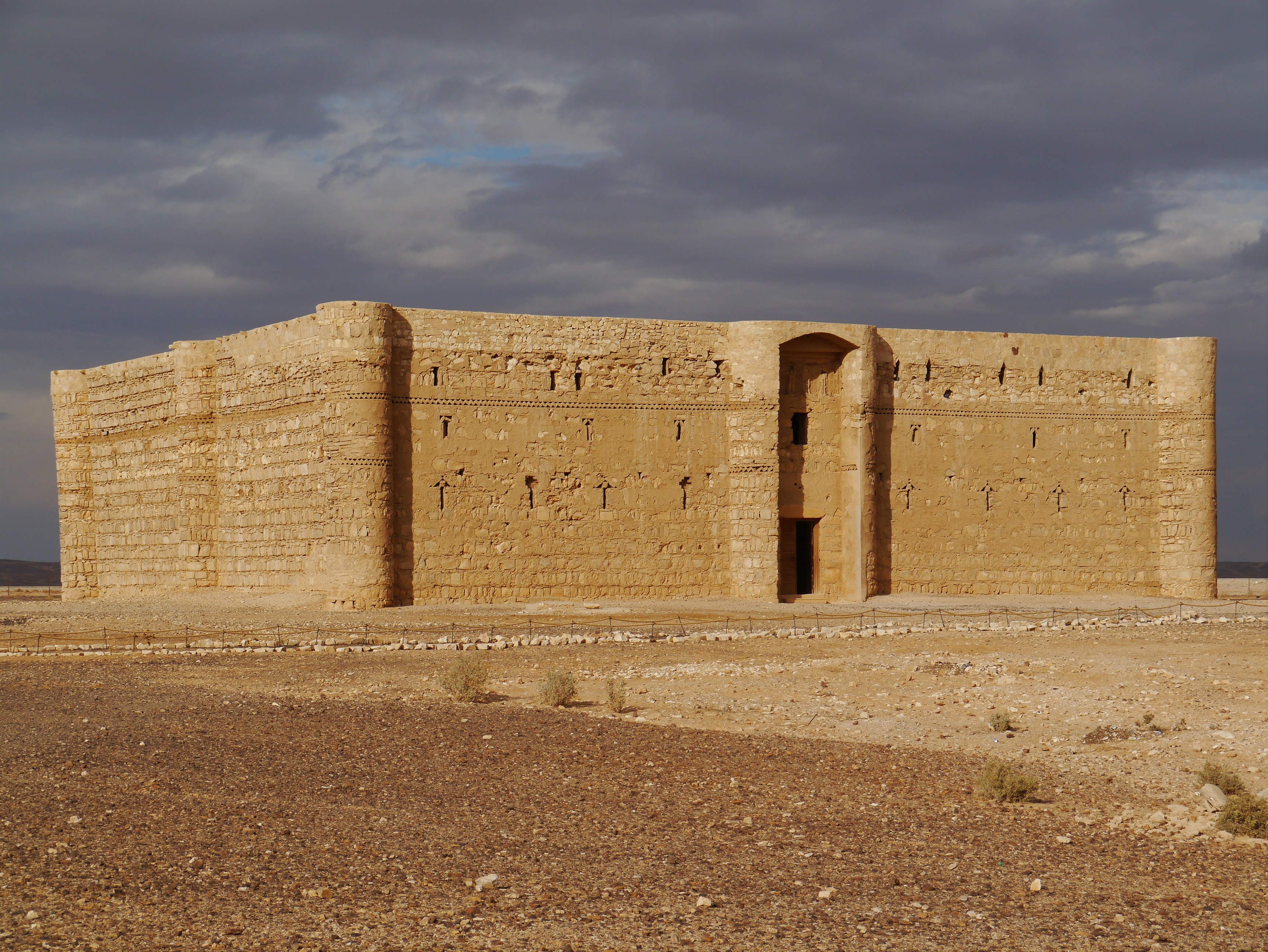
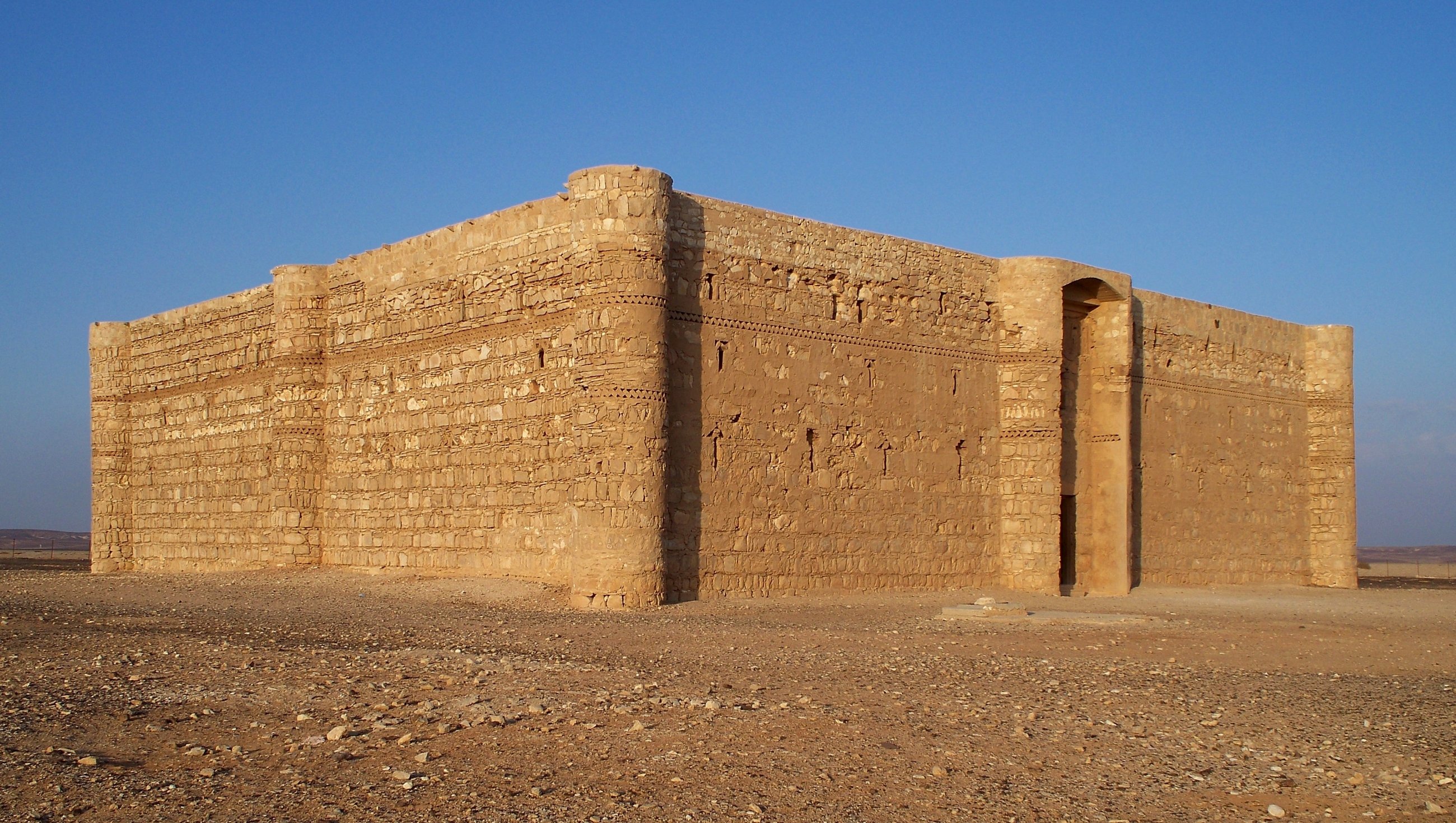
Jordan’s eastern desert is dotted with early Islamic castles such as Qasr Amra and Qasr Kharana. These structures served as hunting lodges, rest stops, and administrative centers, and feature some of the earliest examples of Islamic art and fresco painting.
Aqaba and the Red Sea


The coastal city of Aqaba is Jordan’s gateway to the Red Sea. Known for its coral reefs, clear waters, and maritime history, Aqaba adds a marine dimension to Jordan’s diverse landscape of landmarks.
Conclusion
Jordan’s landmarks tell a story of civilization, faith, and natural beauty spanning thousands of years. From the rock-cut marvels of Petra to Roman cities, sacred mountains, vast deserts, and healing seas, Jordan offers a rare concentration of world-class sites within a compact and welcoming country. Together, these landmarks make Jordan a living museum and a timeless destination.
If you’d like, I can shorten this for a tourism landing page, create a UNESCO-focused version, or prepare matching landmark articles for other Arab countries with the same tone and structure.