Egyptian Cuisine: Flavor, History, and Everyday Tradition
Cuisine in Egypt is one of the oldest continuously practiced food traditions in the world. Shaped by the Nile River, ancient agricultural practices, and centuries of cultural exchange, Egyptian food is hearty, comforting, and deeply tied to daily life. Simple ingredients, bold flavors, and communal eating define Egypt’s culinary identity.
Ancient Roots of Egyptian Food
Egyptian cuisine dates back to the time of the pharaohs, when bread, grains, legumes, vegetables, and fish formed the foundation of daily meals. Wall carvings and tomb paintings depict baking, brewing, farming, and food preparation, showing that many staples eaten today have ancient origins.
The Nile’s annual floods enriched the soil, making Egypt a breadbasket of the ancient world and establishing food as a central pillar of civilization.
The Nile and Agriculture
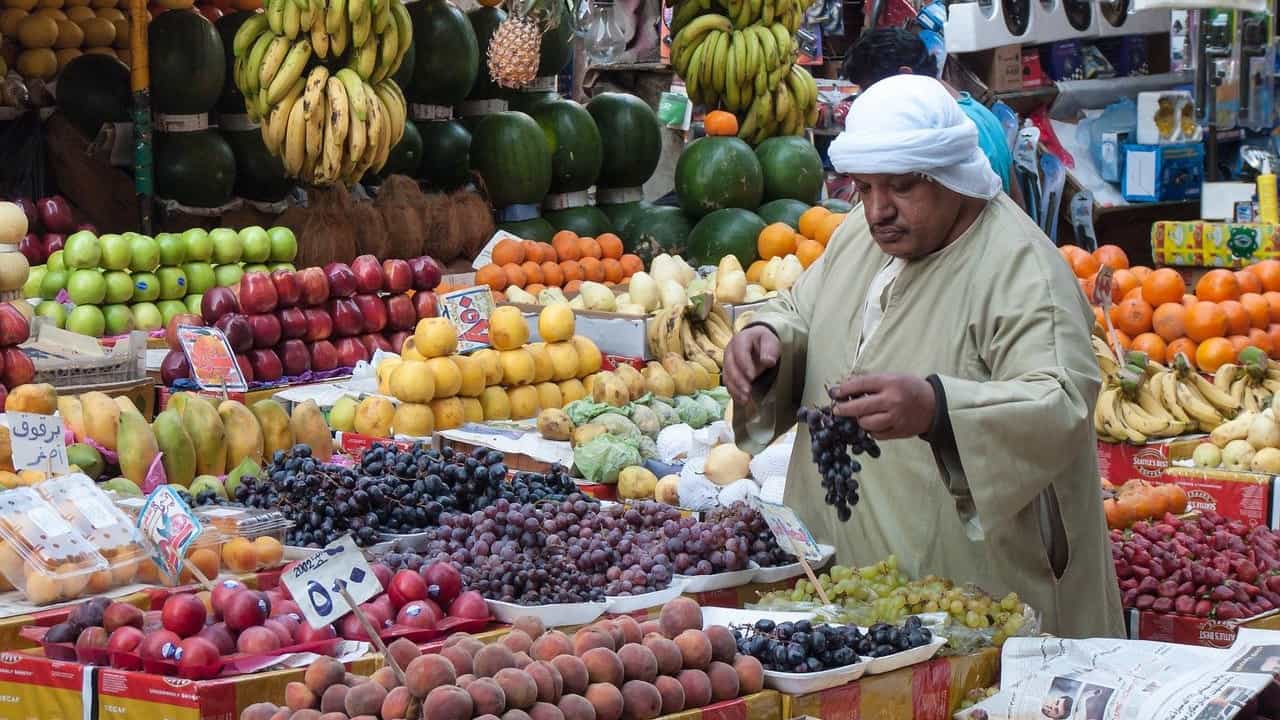
The Nile River remains the backbone of Egyptian cuisine. Wheat, rice, lentils, beans, vegetables, and herbs thrive along its banks. Fresh produce, legumes, and affordable staples reflect a cuisine built around nourishment, sustainability, and seasonal cooking.
Iconic Egyptian Dishes
-
Koshari – Egypt’s national dish, a hearty mix of rice, lentils, pasta, chickpeas, tomato sauce, and fried onions
-
Ful Medames – Slow-cooked fava beans seasoned with olive oil, garlic, lemon, and cumin; a daily breakfast staple
-
Ta‘ameya – Egyptian falafel made from fava beans, crispy outside and green inside
-
Molokhia – A fragrant green soup made from jute leaves, garlic, and coriander, often served with rice or bread
These dishes reflect Egypt’s ability to transform humble ingredients into beloved national favorites.
Bread, Street Food, and Daily Eating
Bread (‘aish baladi, meaning “life”) is sacred in Egyptian culture and accompanies nearly every meal. Street food plays a vital role in urban life, especially in Cairo, where vendors serve ful, ta‘ameya, liver sandwiches, and hawawshi to people from all walks of life.
Regional and Coastal Cuisine
Egypt’s regions add variety to its cuisine. Alexandria and the Mediterranean coast are known for fresh seafood and spicy fish dishes, while Upper Egypt favors robust, rustic cooking. Bedouin communities in Sinai rely on simple, resourceful dishes shaped by desert life.
Sweets and Desserts
Egyptian desserts are closely tied to celebrations and religious seasons. Popular sweets include basbousa (semolina cake), kunafa, qatayef, and rice pudding. These desserts are especially prominent during Ramadan, when food becomes a central element of social and family life.
Modern Egyptian Cuisine
Today, Egyptian cuisine continues to evolve. Modern restaurants reinterpret traditional dishes with contemporary presentation, while home cooking remains deeply traditional. Egyptian chefs increasingly share their cuisine with the world, highlighting its historical depth and everyday appeal.
Conclusion
Egyptian cuisine is food of the people—nourishing, generous, and rooted in thousands of years of history. From the ancient fields of the Nile to the bustling streets of Cairo, Egyptian dishes reflect resilience, simplicity, and a profound connection between land, culture, and community. As one of the world’s oldest culinary traditions, Egyptian cuisine remains as alive and meaningful today as it was in antiquity.
If you’d like, I can shorten this for a food website, add a regional dish map, or create matching cuisine articles for other Arab countries with the same tone and structure.