Syrian Cuisine: Heritage, Flavor, and Levantine Soul
Cuisine in Syria is one of the oldest and most refined culinary traditions in the Middle East. Deeply rooted in history and shaped by fertile land, ancient trade routes, and diverse cultures, Syrian food is known for its balance, elegance, and strong connection to family, hospitality, and daily life.
Historical Roots of Syrian Cuisine
Syrian cuisine developed over thousands of years in the heart of the Fertile Crescent. Ancient civilizations, including Arameans, Romans, Byzantines, and later Arab-Islamic empires, contributed ingredients, techniques, and flavors. Damascus and Aleppo became renowned culinary centers, influencing food traditions across the Levant and beyond.
The cuisine reflects abundance and refinement rather than heat, relying on herbs, olive oil, grains, vegetables, and carefully layered spices.
The Culture of Mezze
Mezze is the heart of Syrian dining culture. These small shared dishes encourage conversation and togetherness. Staples include hummus, mutabbal (eggplant dip), vine leaves (yalanji), and muhammara—a signature Aleppine dish made with walnuts, red peppers, and pomegranate molasses.
Mezze reflects Syria’s philosophy of food: social, generous, and slow.
Iconic Syrian Main Dishes
-
Kibbeh – Considered Syria’s national dish, prepared in dozens of forms: fried, baked, raw (kibbeh nayyeh), or cooked in yogurt
-
Mahshi – Vegetables such as zucchini, eggplant, and peppers stuffed with rice and meat
-
Shawarma – Thinly sliced marinated meat roasted on a vertical spit, served in flatbread
-
Kabsa and rice dishes – Often flavored with cinnamon, allspice, and cardamom
These dishes highlight the Syrian mastery of texture, seasoning, and balance.
Bread, Olive Oil, and Everyday Eating
Flatbread (khubz) is essential to every Syrian meal and often replaces utensils. High-quality olive oil, especially from northern and coastal regions, is used generously in cooking and as a finishing touch. Breakfasts are simple yet nourishing, featuring bread, olive oil, thyme (za’atar), cheese, and olives.
Syrian Sweets and Desserts
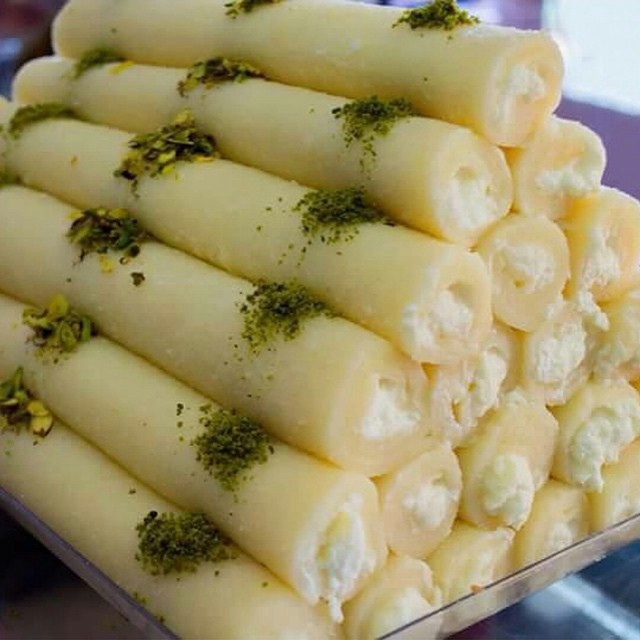
Syrian desserts are celebrated throughout the Arab world, particularly those from Aleppo and Damascus. Pistachios, rosewater, orange blossom, and semolina define classics such as baklava, ma’amoul, and halawet el jibn—a delicate cheese-based sweet unique to Syria.
Street Food and Modern Syrian Cuisine
Street food plays a major role in Syrian daily life. Falafel, shawarma, and manakish are quick, affordable, and deeply loved. Today, Syrian chefs—both inside the country and across the diaspora—are preserving traditional recipes while introducing modern presentation and global influences.
Cuisine as Identity and Memory
For Syrians, food is more than nourishment—it is identity, memory, and home. Recipes are passed from generation to generation, preserving regional traditions and family stories. Even in times of change, Syrian cuisine remains a powerful symbol of continuity and cultural pride.
Conclusion
Syrian cuisine is refined yet comforting, ancient yet alive. From mezze tables filled with color to fragrant main dishes and legendary sweets, it reflects a civilization built on hospitality, balance, and deep respect for food. As one of the foundations of Levantine cooking, Syrian cuisine continues to influence and inspire kitchens across the Middle East and the world.
If you’d like, I can shorten this for a food website, add a regional cuisine breakdown (Damascus, Aleppo, coastal Syria), or create matching cuisine articles for other Levantine countries with the same tone and structure.