The Arab World: Ancient Civilization and Modern Life
The Arab World is a vast cultural and historical region stretching from the Atlantic Ocean in North Africa to the Arabian Gulf and the Indian Ocean. United by the Arabic language and shared cultural foundations, the Arab world encompasses more than 20 countries across North Africa and Western Asia. Its story is one of ancient civilizations, global exchange, intellectual leadership, and a modern society balancing tradition with rapid change.
Geography: A Bridge Between Continents
The Arab world spans deserts, fertile river valleys, mountains, and coastlines. The Sahara and Arabian deserts shaped nomadic life, while rivers such as the Nile, Tigris, and Euphrates enabled early agriculture and urban civilization. This geographic diversity made the Arab world a bridge between Africa, Asia, and Europe—crucial to trade, migration, and cultural exchange.
Ancient Civilizations of the Arab World
The Arab world is home to some of the earliest civilizations in human history:
-
Ancient Egypt developed monumental architecture, writing, and state governance along the Nile.
-
Mesopotamia (modern Iraq) gave the world early cities, law codes, and writing systems.
-
Phoenician city-states in the Levant pioneered maritime trade and the alphabet.
-
Nabataean civilization, centered in Petra, mastered desert trade and engineering.
These civilizations laid foundations for science, law, religion, and urban life worldwide.
Arabia Before Islam
Before Islam, Arabia was home to vibrant trade networks linking the Mediterranean, Africa, and Asia. Caravan routes transported incense, spices, and textiles. Kingdoms in southern Arabia thrived on frankincense trade, while poetry and oral tradition preserved history, values, and social codes.
Islam and the Rise of Arab Civilization
The rise of Islam in the 7th century transformed the Arab world. Arabic became the language of faith, governance, and scholarship. Under the Umayyad and Abbasid caliphates, Arab civilization led the world in science, medicine, mathematics, astronomy, philosophy, and architecture.
Cities such as Baghdad, Cairo, Damascus, and Cordoba became centers of global learning during the Islamic Golden Age.
Language, Religion, and Cultural Unity
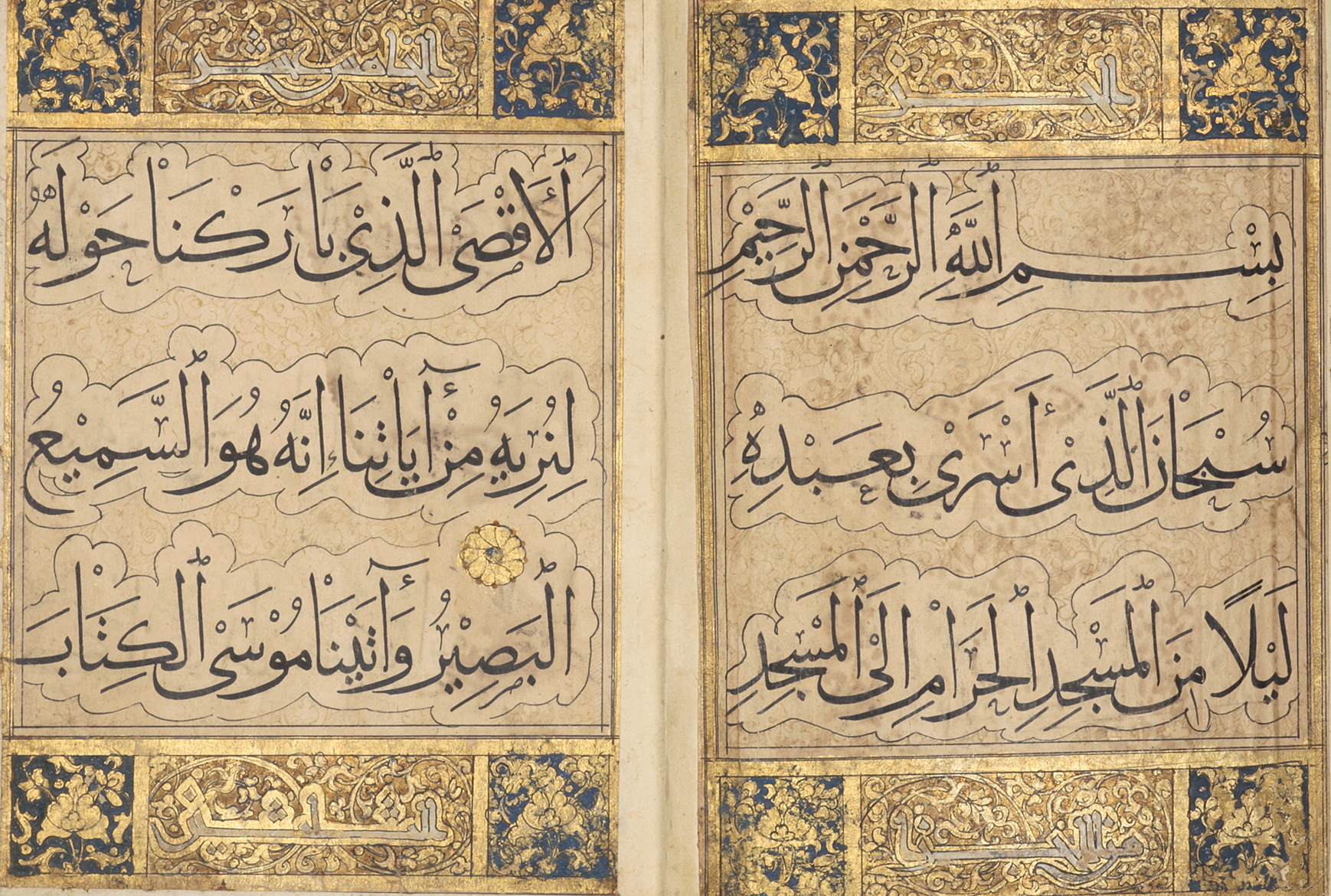
Arabic is the unifying element of the Arab world, expressed through poetry, literature, and calligraphy. Islam is the dominant religion, but the Arab world is also home to ancient Christian communities and other religious traditions. Shared customs—hospitality, family ties, respect for elders, and storytelling—form the cultural backbone of Arab societies.
Arts, Music, and Literature
Arab culture values artistic expression. Classical Arabic poetry influenced global literature, while music based on the maqam system emphasizes emotion and improvisation. Architecture features geometric design and spiritual symbolism, visible in mosques, palaces, and historic cities.
These traditions remain alive in both classical forms and modern reinterpretations.
Modern Arab World: Change and Continuity
Today, the Arab world is diverse and dynamic. Rapid urban growth, education, technology, and media shape modern life, especially in major cities. At the same time, traditions such as family-centered living, religious observance, and cultural rituals remain central.
Organizations like the Arab League reflect shared political and cultural cooperation among Arab states, despite regional diversity and challenges.
Arab Identity in the Global World
The modern Arab world engages globally in art, science, diplomacy, and commerce. Arab diaspora communities contribute to cultural exchange worldwide, while digital media enables new forms of expression, debate, and creativity—especially among younger generations.
Conclusion
The Arab world is a civilization of deep roots and living culture. From the world’s first cities and sacred texts to modern capitals and global influence, Arab society reflects a continuous dialogue between past and present. Ancient heritage, Islamic civilization, and modern innovation together form a shared Arab identity—diverse in expression, unified in language, and enduring across time.
If you’d like, I can shorten this for a homepage, create a timeline version, or produce country-specific Arab world articles using the same style and structure.